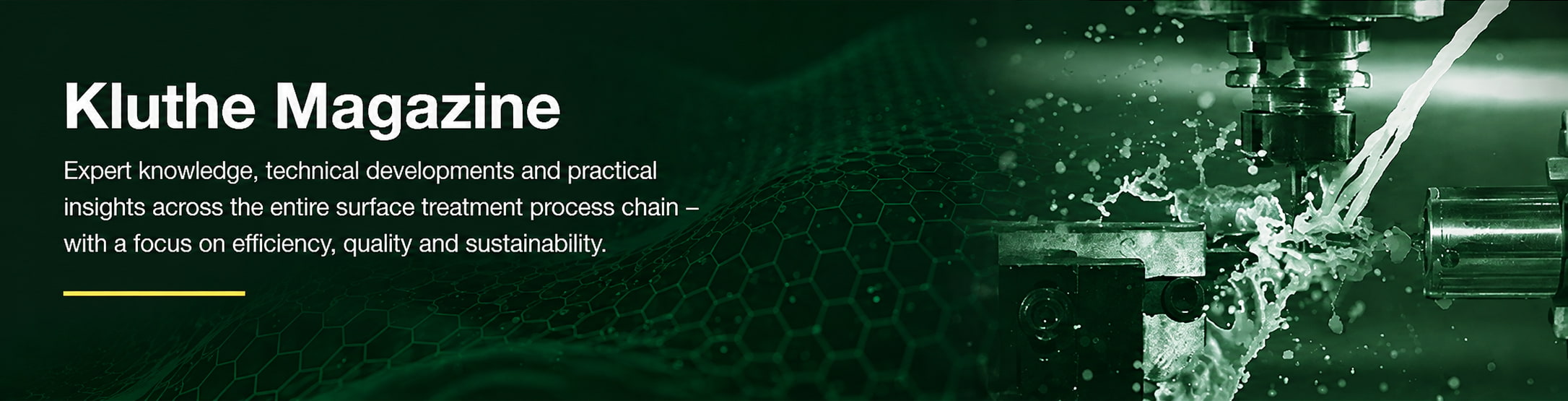
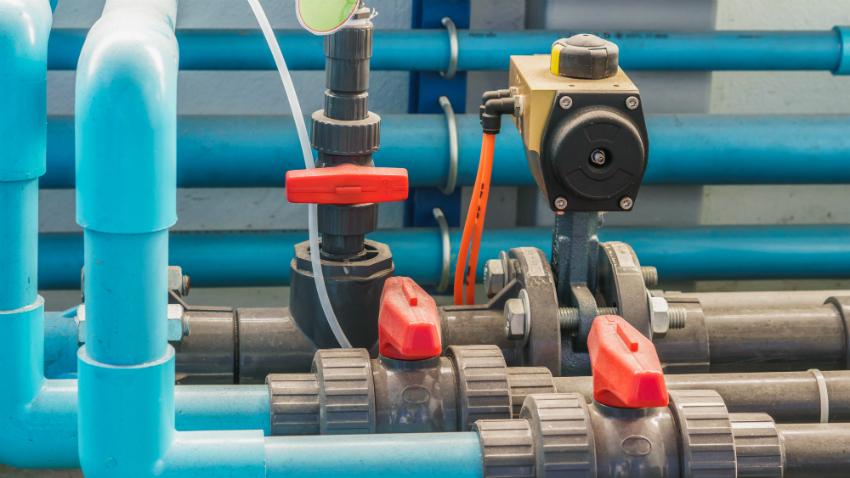
Aging of Plastics
« Mitigating the Effects of Influencing Factors on Plastic Aging » The aging of plastics is a slow process during which irreversible changes occur within the material. Although aging cannot be prevented, appropriate measures can delay it. This...
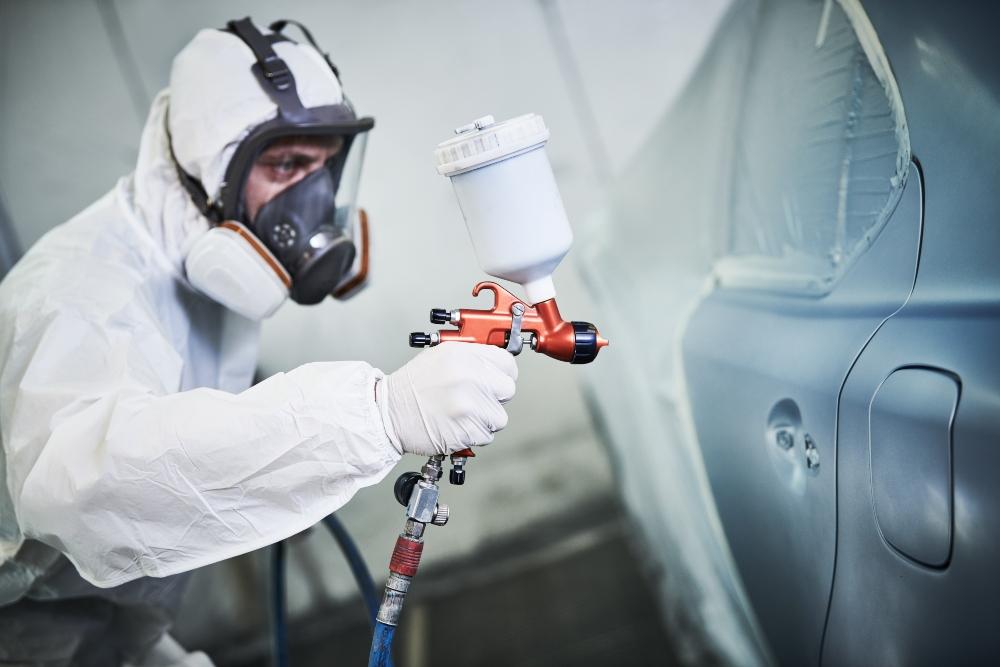
An Overview of the Most Important Process Chemicals for Coating Processes
Process chemicals are chemical substances that enable or support technical operations. In machines and systems, these substances and the processes that rely on them produce ready-to-use items and products for further processing. Coating is a...
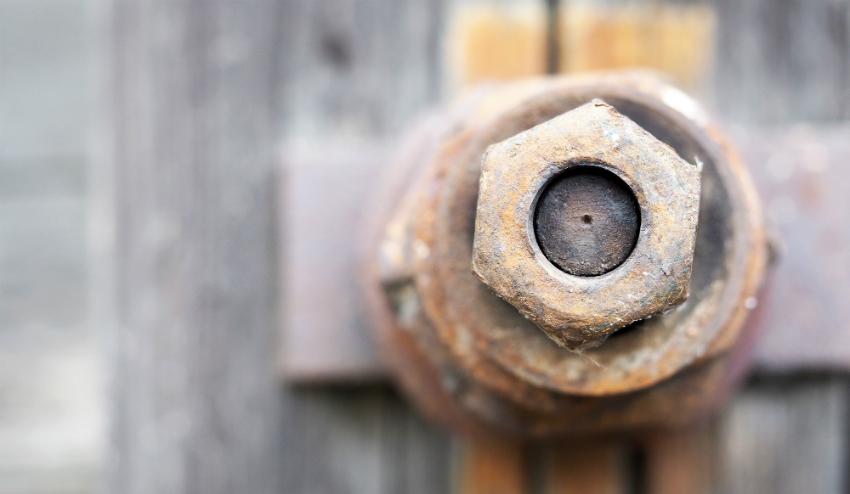
Remove white rust and prevent it in the future
Steel is found in nearly every aspect of daily life—houses, bridges, tools, and machines. While it is not a lightweight metal, steel is relatively easy to shape and provides tremendous structural strength. Pure steel, however, cannot be used...

Passive and Active Corrosion Protection
« Passive and Active Corrosion Protection - We explain the differences » Passive and active corrosion protection encompasses all technical measures that serve to protect materials from destruction by environmental influences. The oxygen and...
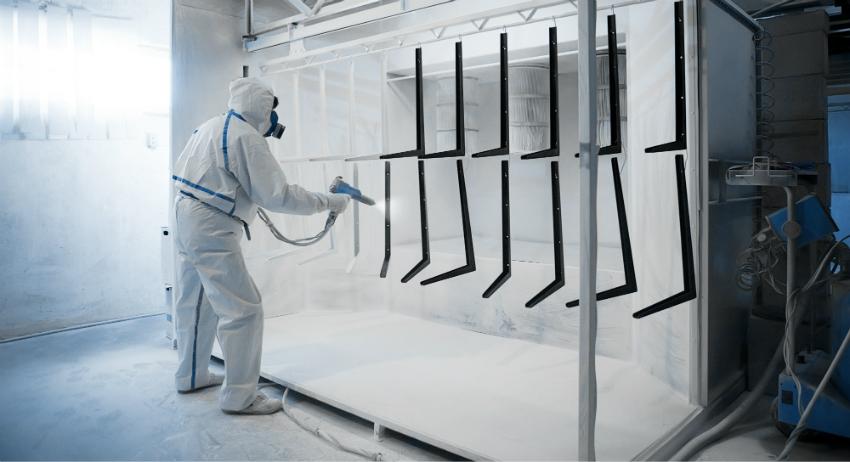
Painting Aluminum in Industrial Applications
Aluminum is a popular and essential material in industrial sectors such as machinery and equipment manufacturing, food processing, and architecture. As a true lightweight metal with low density, high electrical and thermal conductivity, and...
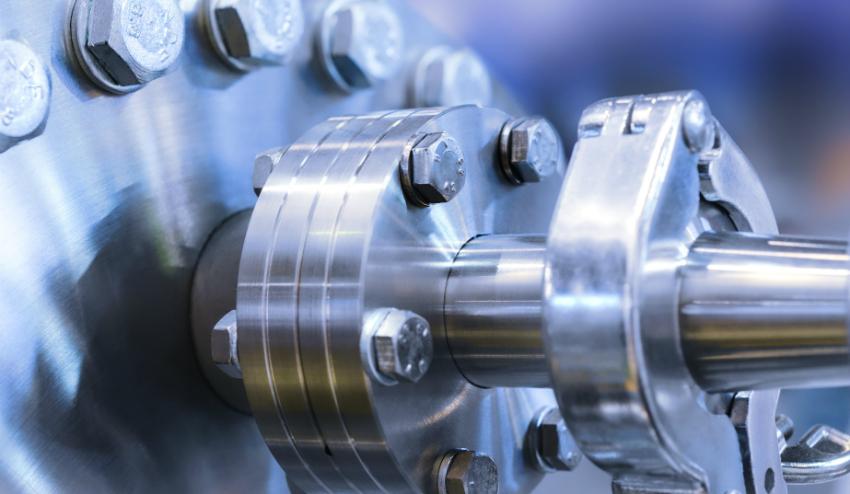
Dewatering
Drying and corrosion protection through water displacement Metal parts can be dried in many ways, including through the application of heat. However, this drying method has the drawback of being energy-intensive and time-consuming. Most...
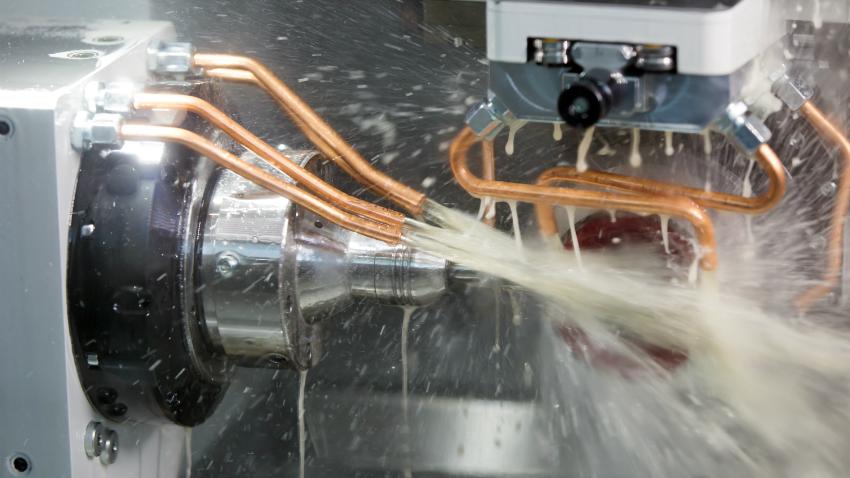
How does emulsion splitting work?
The term "emulsion splitting" encompasses various methods applied in wastewater treatment. Emulsions are mixtures of liquids that do not dissolve into each other. Emulsifiers are necessary to create a stable emulsion. When it becomes necessary to...
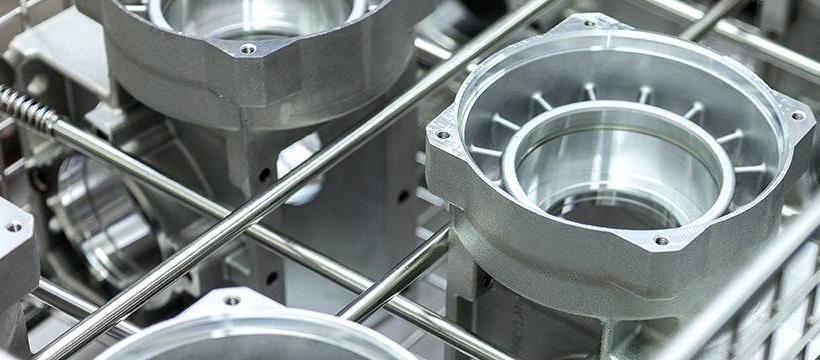
Cold Cleaners in Use
« Effective against animal oils and fats, tar, wax, natural and synthetic resins » Cold cleaners are often the preferred solution when it comes to removing oils and fats or stubborn residues containing dust, dirt, and wax. In metalworking as well...
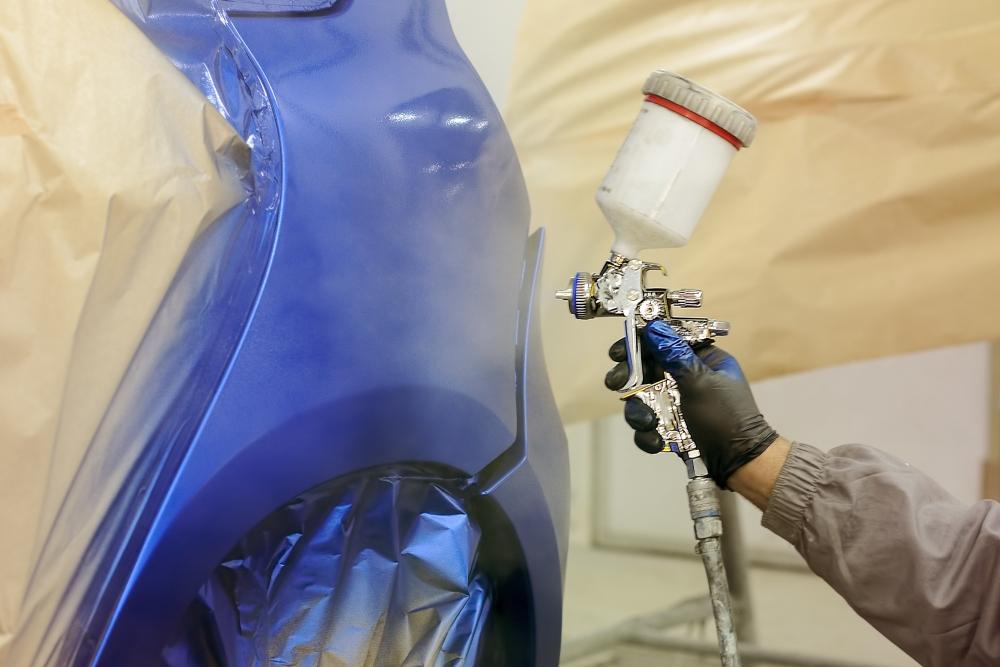
Painting plastic parts in the automotive industry
« How Car Parts from Fenders to Center Consoles Get Their Paint » Painting plastic parts is challenging because plastics repel most liquids and are difficult to wet. In the automotive industry, more frequently, parts are being made from plastic...
Kluthe Magazine
Expert knowledge, technical developments and practical insights across the entire surface treatment process chain – with a focus on efficiency, quality and sustainability.