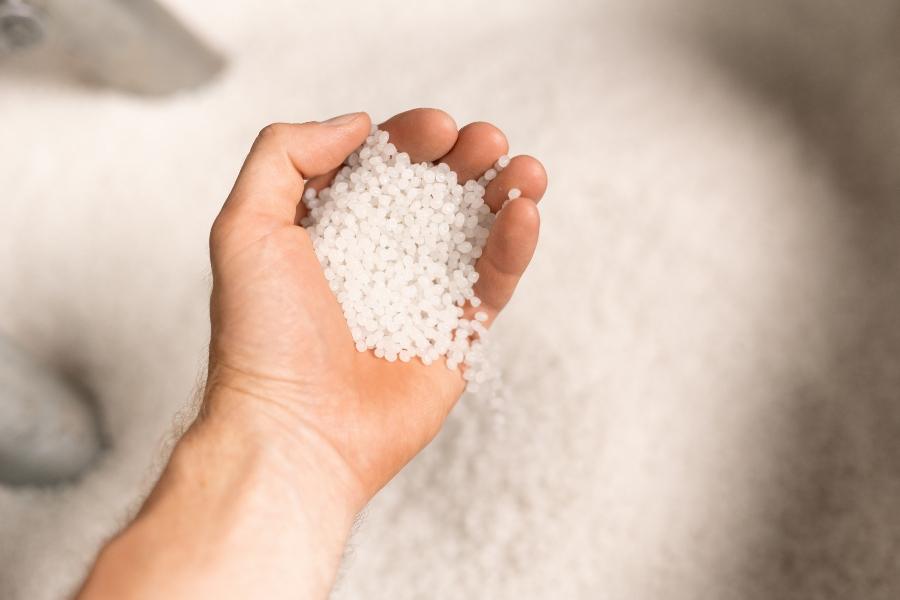
Plastic Recycling in Chemistry
« What Methods Are Used? » Plastics are widely used as packaging materials, insulators, components in various machines and devices, and as coating agents. Unfortunately, their widespread use has led to increasing environmental concerns as they are...
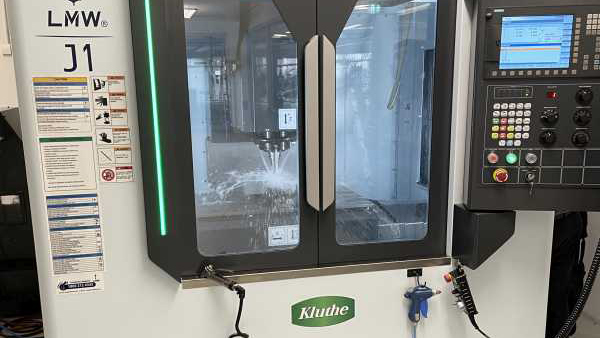
CNC Machining Explained: Types, Processes, and Applications
CNC machining (Computer Numerical Control) is a modern manufacturing technology that has reshaped industrial production. Known for outstanding precision, repeatability, and efficiency, it enables the reliable production of complex components across...
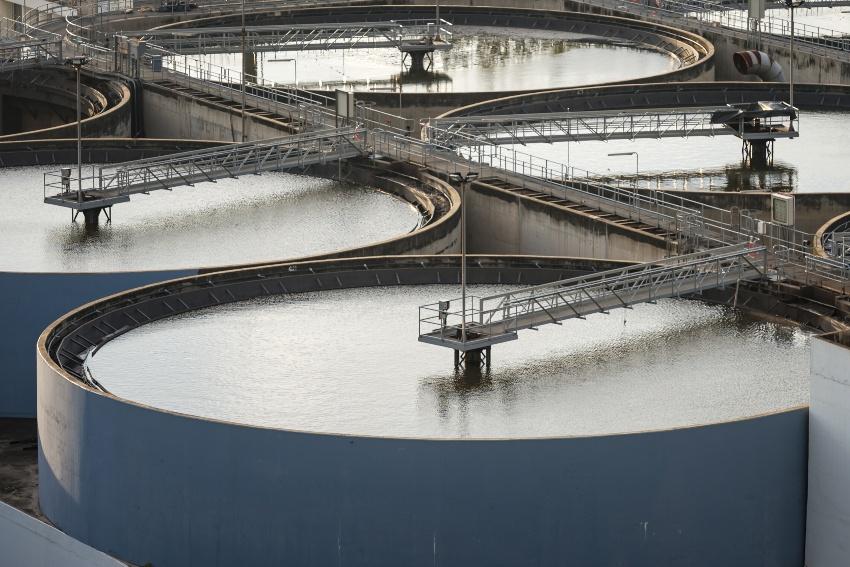
What Does Fractionation Mean in Chemistry?
« Separating Solvents and Other Applications of Fractionation Methods » In chemistry, fractionation refers to the process of separating mixtures into their individual components. This is achieved using a variety of specialized chemical separation...
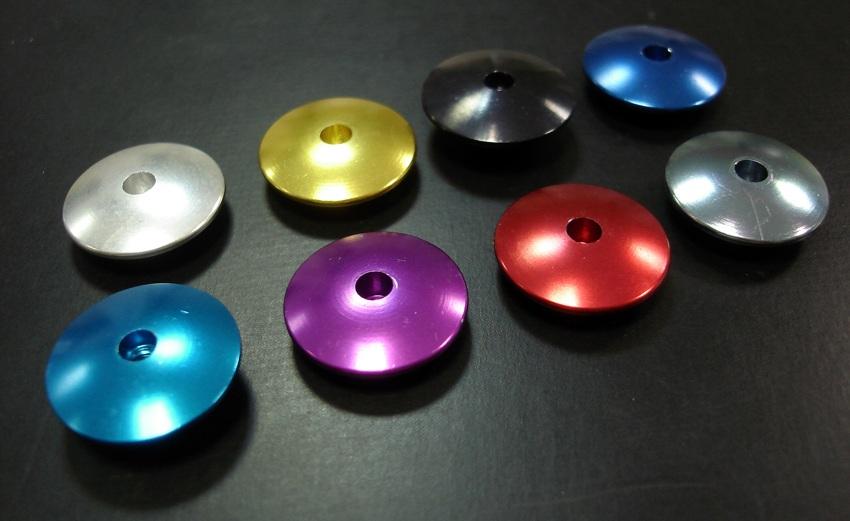
Surface Treatment by Anodizing
Anodizing is the term for electrochemical processes in surface technology that create mechanically and chemically stable oxide layers on suitable metals. The word “anodizing” corresponds to the German term *Eloxieren*, derived from the initial...
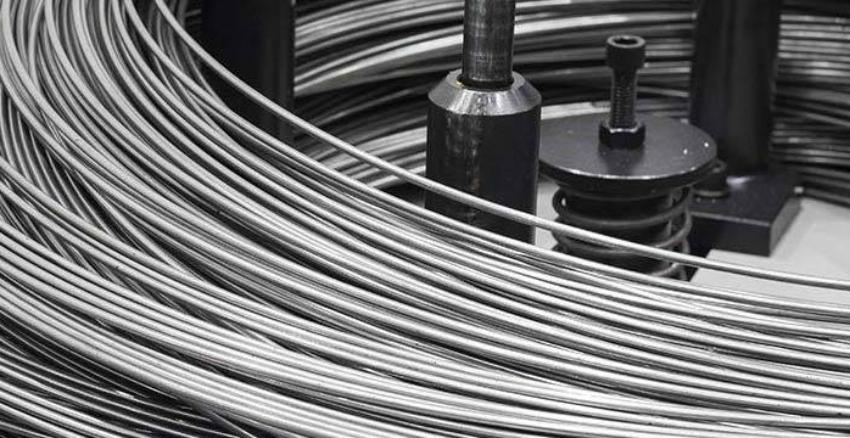
Work Hardening Explained
« Processes, Benefits, and Applications in Modern Industry » Work hardening occurs when metallic materials are deformed below their recrystallization temperature. Discover how mechanical properties of metals change during forming processes, which...
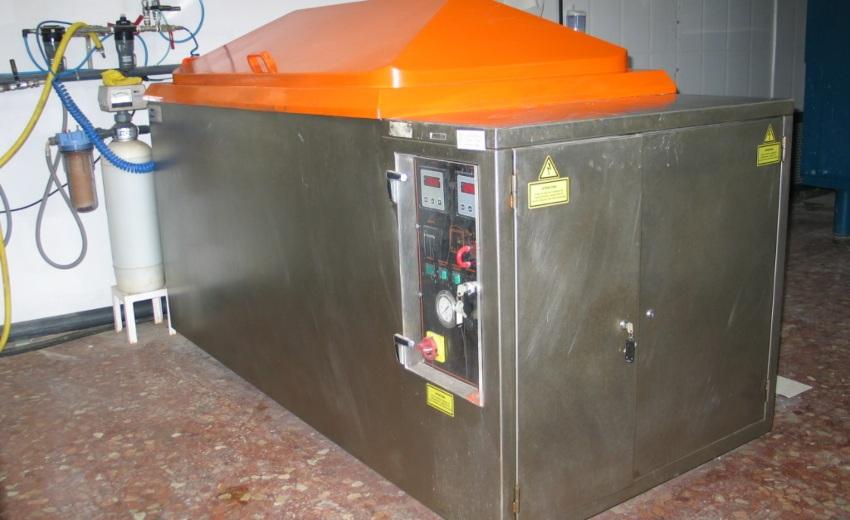
What Is the Salt Spray Test?
The salt spray test in accordance with DIN EN ISO 9227 (often referred to simply as the salt spray test) is used to evaluate the quality of surface pretreatment and coatings on metals. During testing, the specimen parts are exposed to precisely...
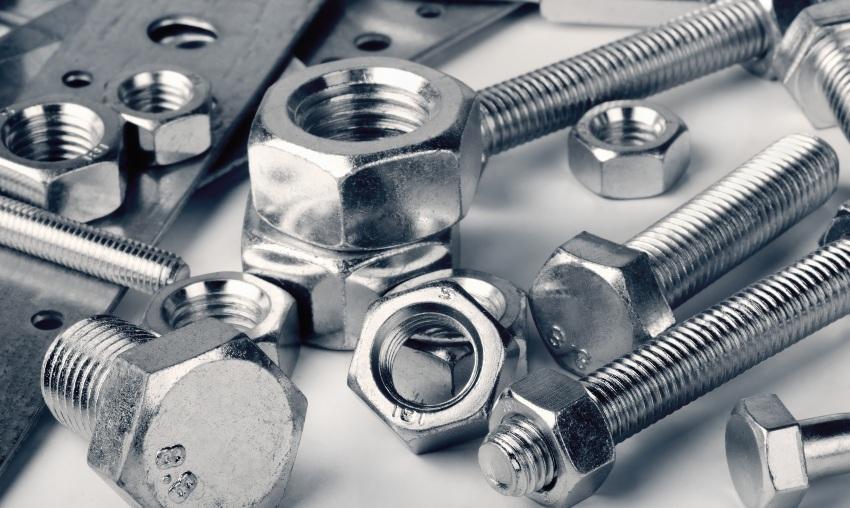
Thread Forms – Rolling, Pressing, and Cutting
Threaded connections make it possible to join and separate parts easily, even when different materials are involved. They simplify assembly and disassembly and, unlike welding, do not alter the structure of the base material. But how are they made,...
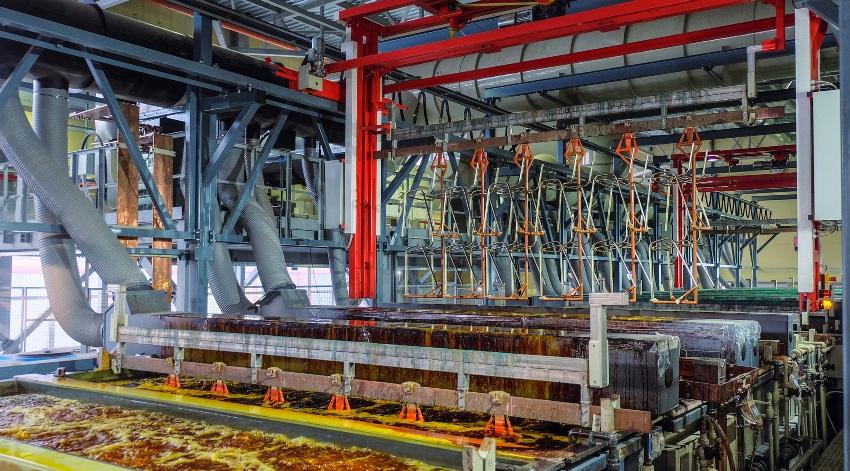
Electroplating and Anodizing: Key Differences
Professional surface treatment increases the lifespan of components. The chosen method depends on the base material and the desired effect. Among the most essential techniques in this field are electroplating and anodizing. While both use...
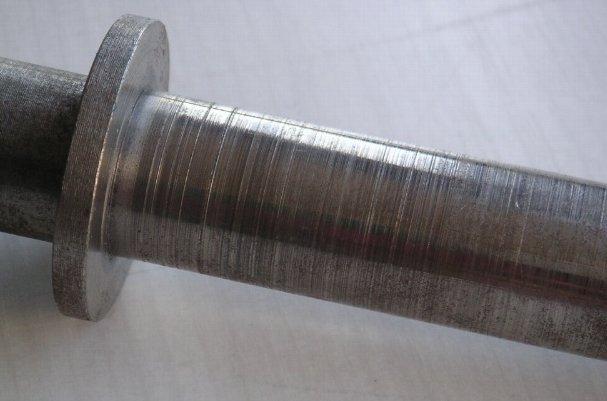
Abrasive Wear
« Abrasive Wear Causes and Countermeasures » Wear occurs whenever materials degrade through use. Abrasion is a specific form of wear that results from what is known as micro-cutting. High abrasiveness significantly reduces the service life of...
Kluthe Magazine
Expert knowledge, technical developments and practical insights across the entire surface treatment process chain – with a focus on efficiency, quality and sustainability.