
Metalworking Fluids: Composition and Ingredients
Metalworking fluids are essential for surface processing. But what composition do they have? And which ingredients are used? Learn more. Fluid Composition Fundamentals When machining speeds were limited by muscle power, heat generation played only...
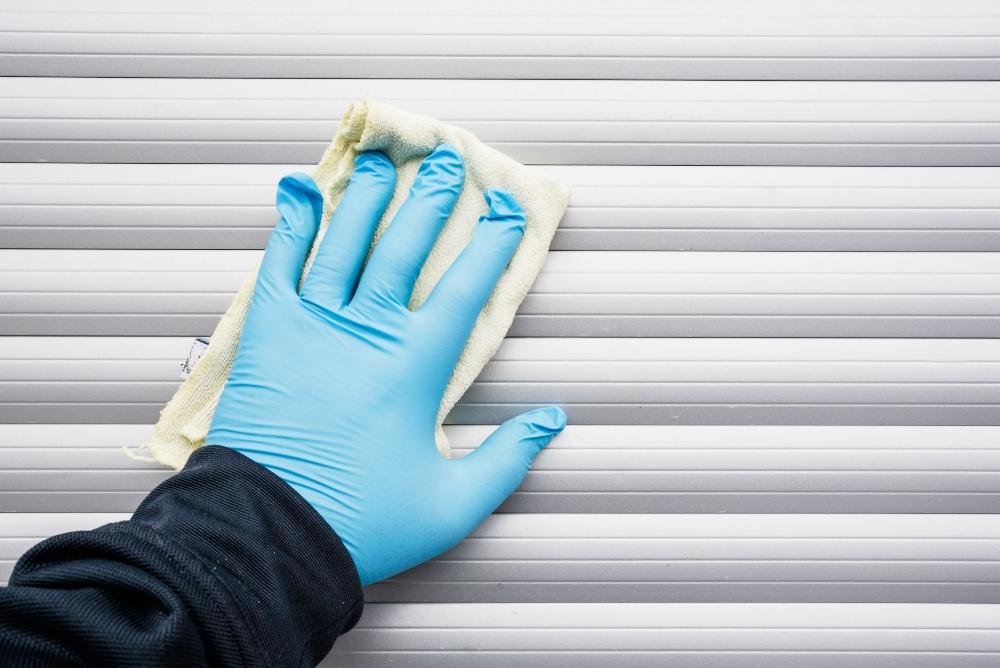
Cleaning Aluminum
« Removing Stains and Discolorations From Lightweight Metal » Aluminum is a non-precious metal, meaning it reacts readily with oxidizing agents. When exposed to air, aluminum quickly forms a dense layer of aluminum oxide on its surface. This layer...

Cold Forming of Metal
Cold forming is a metalworking process where materials are shaped under significant compressive or tensile forces with or without minimal preheating. This distinguishes cold forming from hot forming, with the dividing line being the...
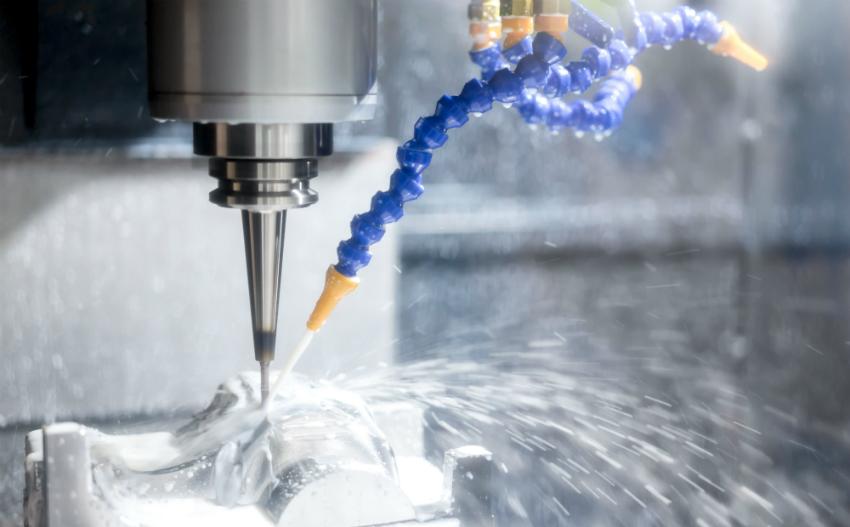
Cooling lubricants for machining and forming processes
We are surrounded by products made from diverse materials and shapes. Manufacturing processes transform raw materials like metal or plastic into semi-finished products such as bars, tubes, and sheets. These intermediate forms are then processed...
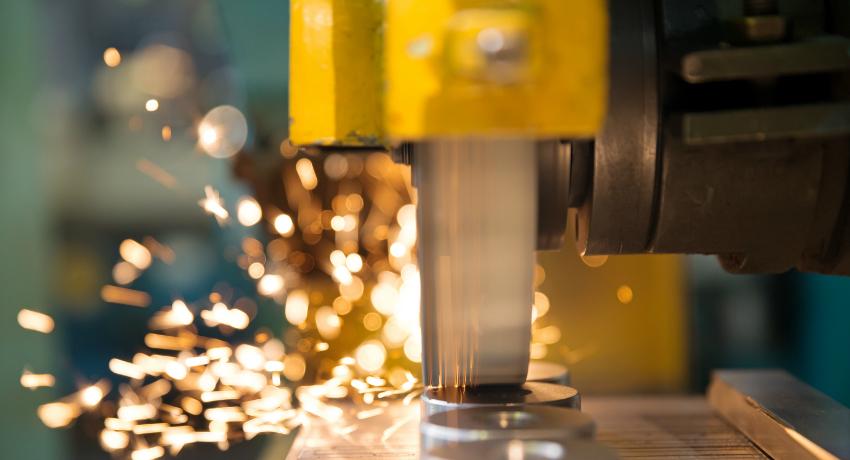
The Flash Point in the Surface Processing Industry
The flash point is a fundamental safety parameter used to assess the hazards associated with flammable liquids. In surface treatment and processing, cleaning agents, solvents, paints, coatings, and lubricants are widely used — and many of them are...
Avoiding Risks from Oil Mist
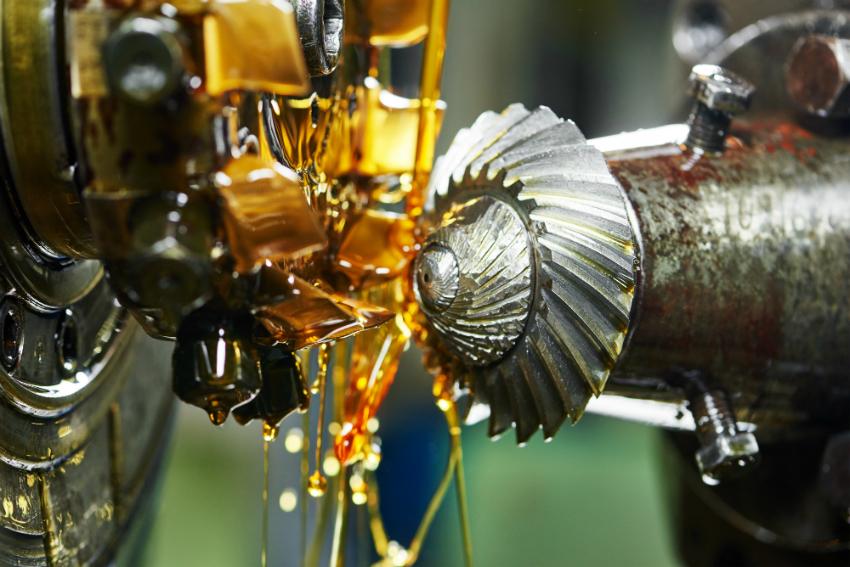
Metalworking facilities and auto repair shops often have a distinctive aroma of oil . When machines reach high temperatures, there is also a noticeable smoky odor. Any substance you can smell is present in the air and, therefore, can be inhaled...
VOC Reduction – How Coating Technologies are Getting Cleaner
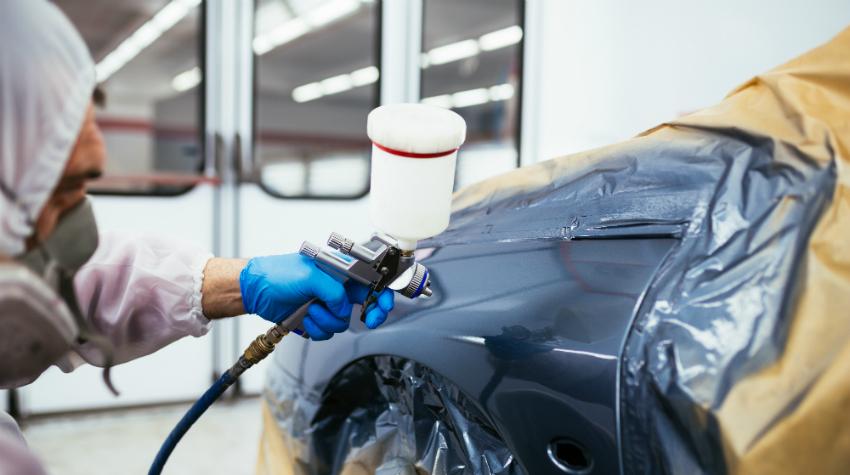
Decorative surfaces in shiny colors are a beautiful sight for everyone. As a protective layer against mechanical and weather-related damage, moisture, or corrosion, surface coating plays a key role. A durable paint finish is one of the ways to meet...

What do OEM approvals mean?
OEM stands for ‘Original Equipment Manufacturer’, referring to a company that produces components or products which are used in another company’s end products. In many industries, there are manufacturers that do not bring their products or...
Proper Equipment and Machinery Cleaning
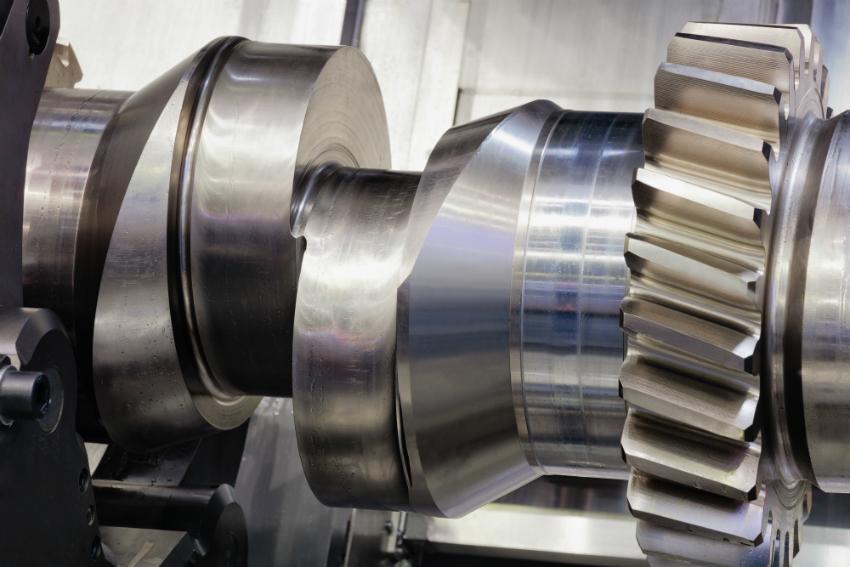
Equipment and machinery cleaning are essential maintenance activities across all industries. These practices extend the lifespan and maximize the uptime of expensive industrial equipment. Companies specializing in industrial cleaning continuously...
Kluthe Magazine
Expert knowledge, technical developments and practical insights across the entire surface treatment process chain – with a focus on efficiency, quality and sustainability.