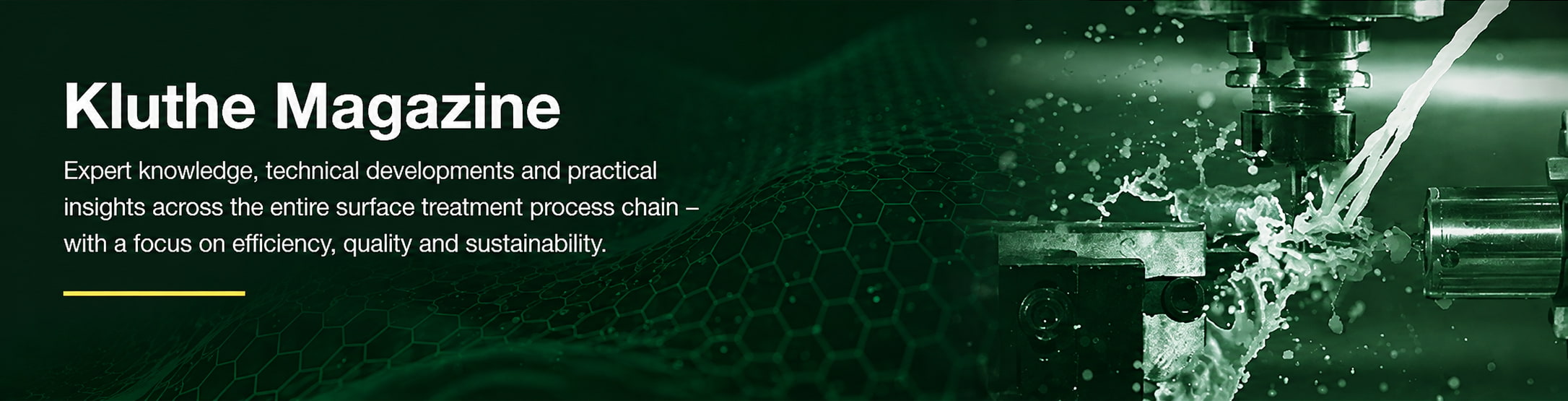
1K versus 2K paint?
« How to Manage Paint Systems Effectively » The paints used in surface technology change their physical state during processing. The raw materials are in liquid form or are at least flowable so that they can completely cover the surface. During...
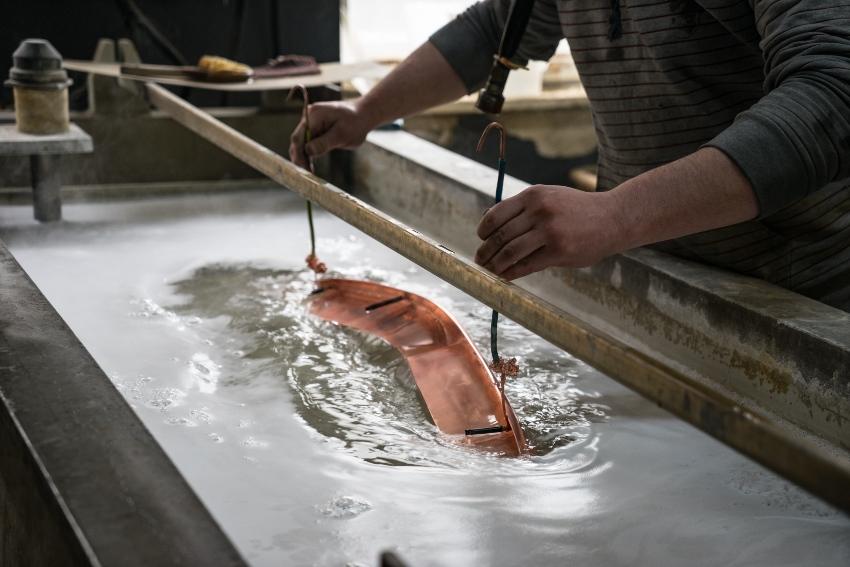
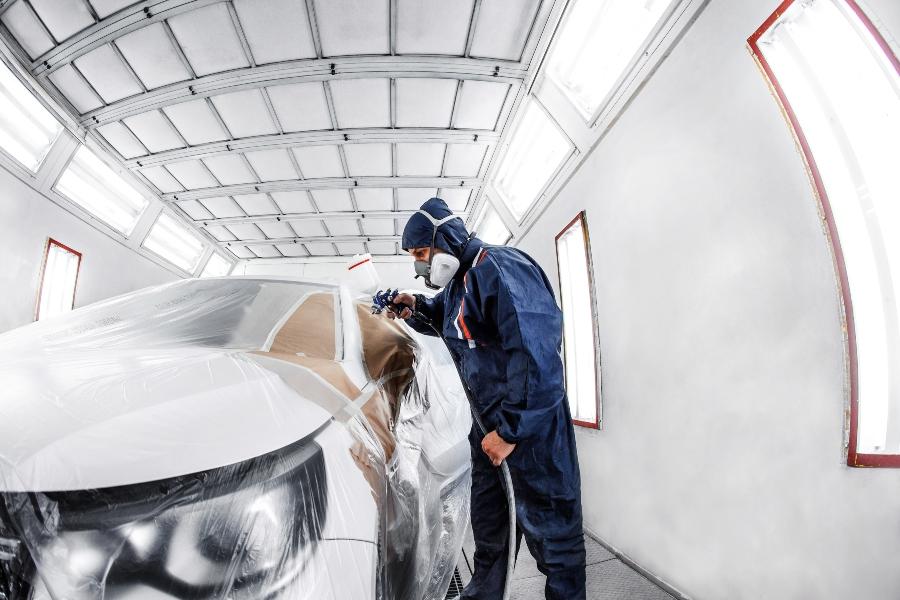
What is Electroplating?
Electroplating is a process in which electric current causes metals to deposit uniformly on the surface of workpieces. The metallic layer primarily serves to protect against corrosion, resist mechanical wear, or improve electrical conductivity....

How sustainable is used oil recycling?
Used oil recycling transforms spent lubricants, hydraulic oils, insulating and heat transfer oils into high-quality base oils. It offers two benefits: on the one hand, it helps conserve petroleum reserves. On the other hand, modern used oil...
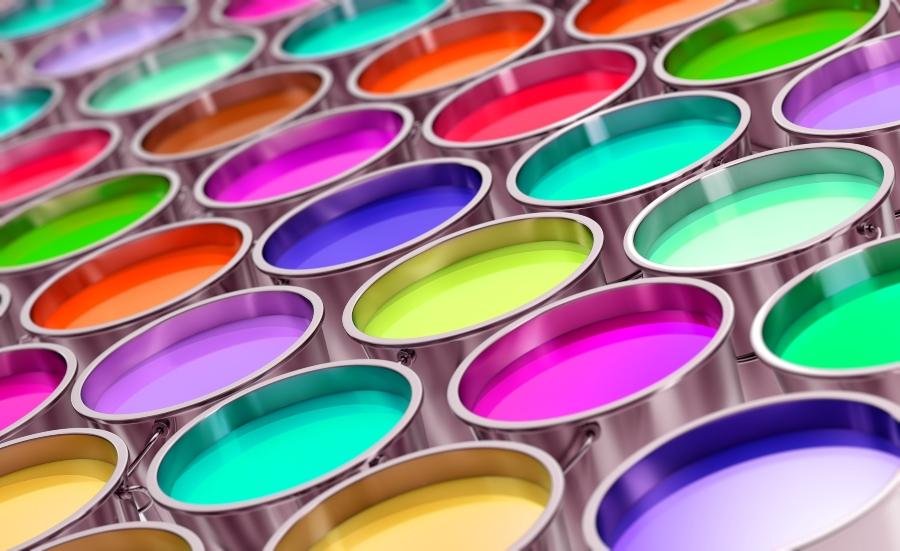
What’s Inside Paints and Coatings
« What influences the paint quality » In surface treatment, paints and coatings are applied to components to protect them from environmental damage, enhance their appearance, or modify surface properties. Paint ingredients form a complex system...
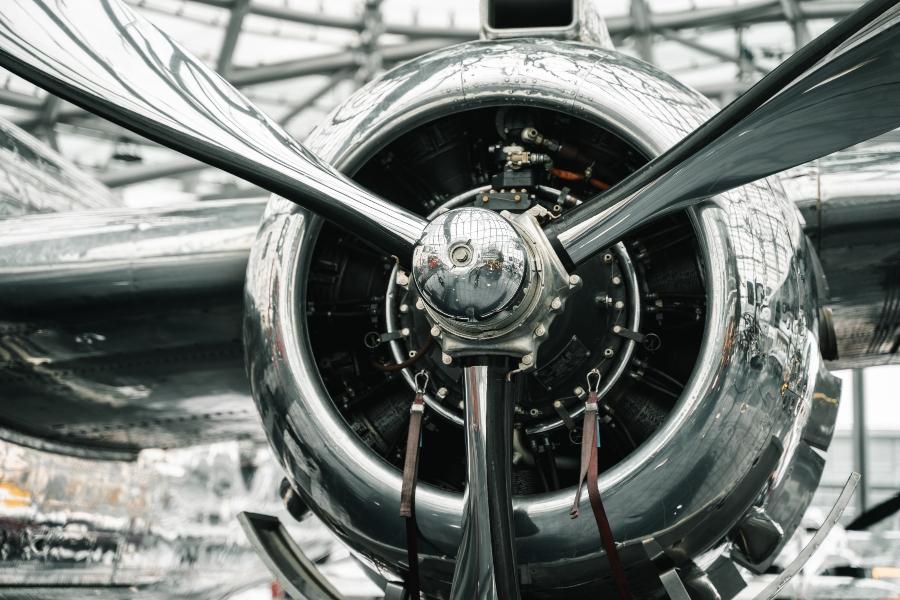
What Are Chromates and Where Are They Used?
Chromates, which are chemical salts derived from chromic acid, play a role in two distinct surface treatment processes: Chromating, where chromic acid or its salts create a chromate layer on a material's surface. Chromium plating, where dissolved...
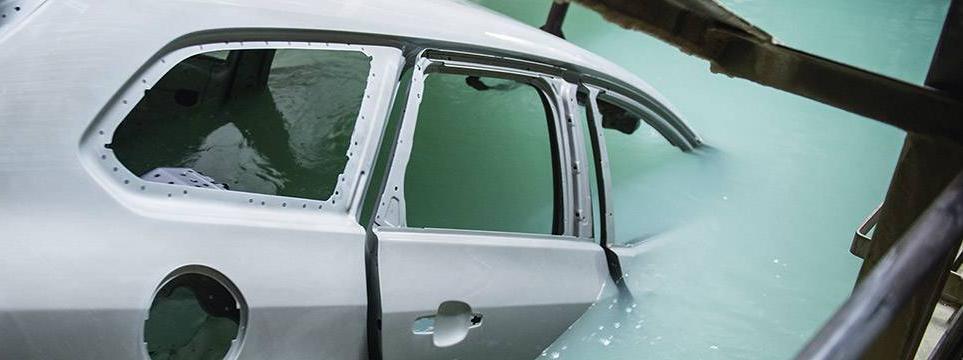
Electrophoretic Coating (E-Coating)
« What is this coating process all about? » Electrophoretic coating (commonly known as e-coating) is a highly efficient surface pretreatment process that provides superior corrosion protection while ensuring complete coverage of metal components....
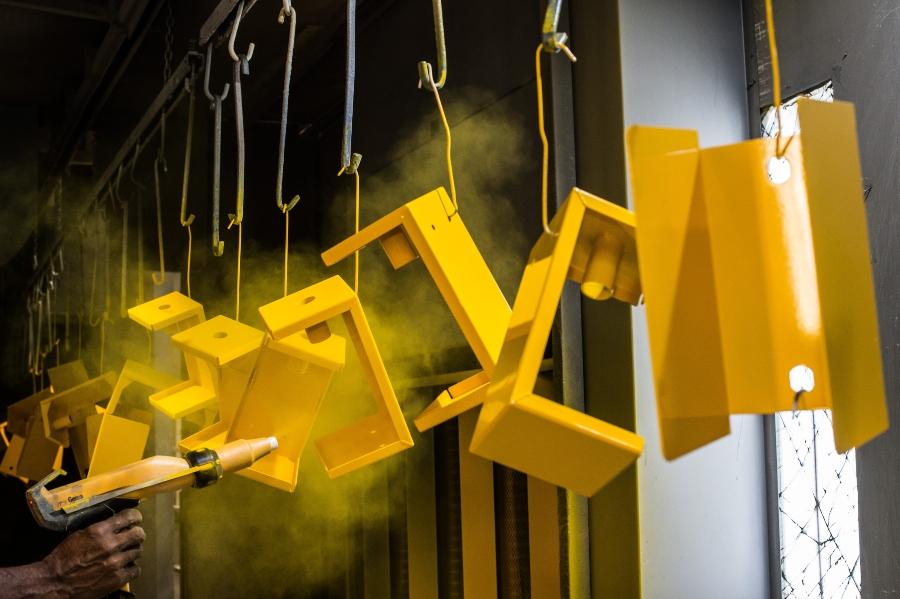
What Is Powder Coating?
Everything About Function and Application Powder coating is a finely ground mixture of pigments, binders, fillers, and additives. In surface finishing, it is used for metal coating. During application, the powder is electrostatically charged and...
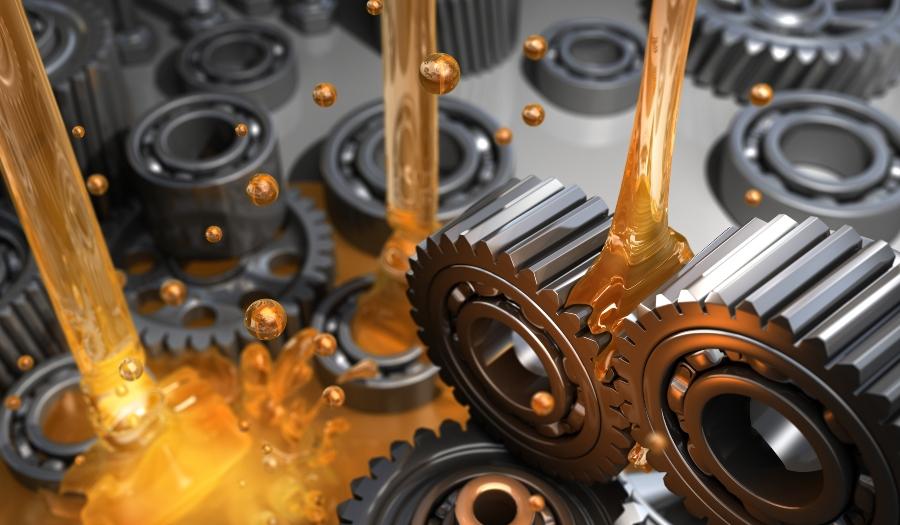
Gas-to-Liquids
What is the GtL Process? Gas-to-Liquids is the term used for the conversion of natural gas into liquid hydrocarbons. In several process steps, GtL oil and fuels are produced that differ from those derived from crude oil due to their high purity....
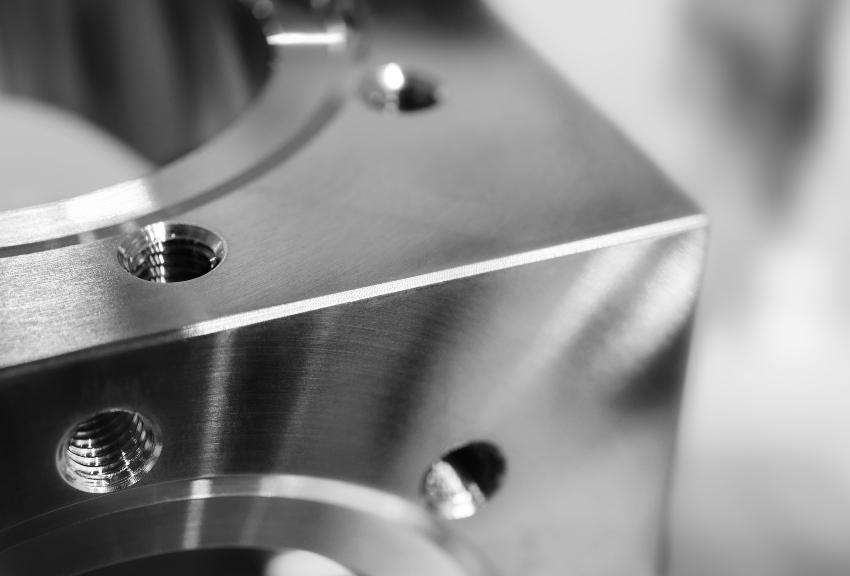
Overview: Deburring Metal
« Effective Methods at a Glance » Have you ever accidentally snagged yourself on an overhanging piece of metal? Sharp edges, splinters, or burrs on parts made from wood, plastic, or metal not only compromise aesthetics but can also lead to injuries...
Kluthe Magazine
Expert knowledge, technical developments and practical insights across the entire surface treatment process chain – with a focus on efficiency, quality and sustainability.