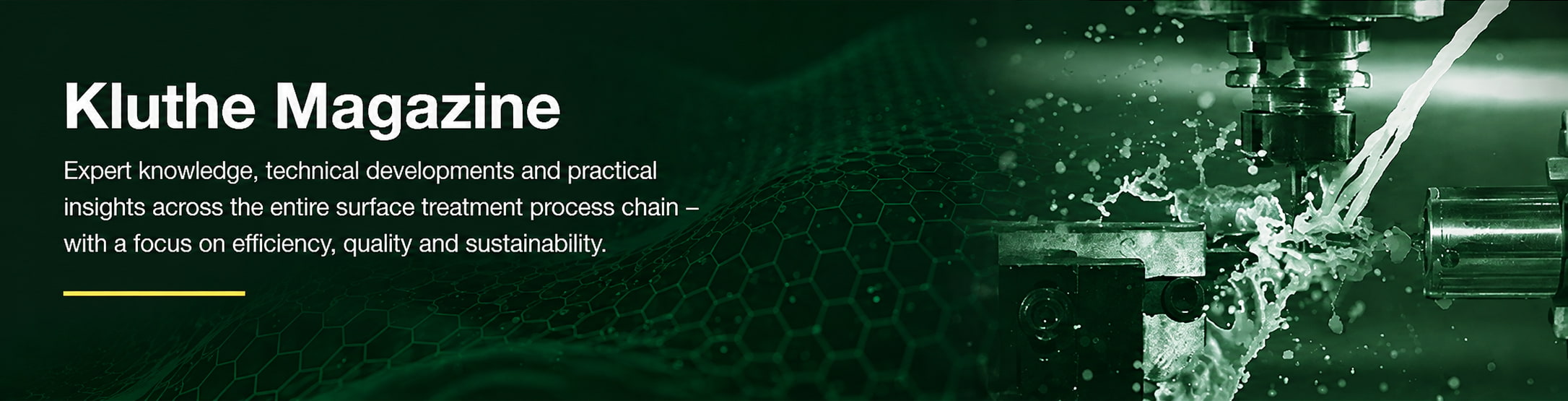
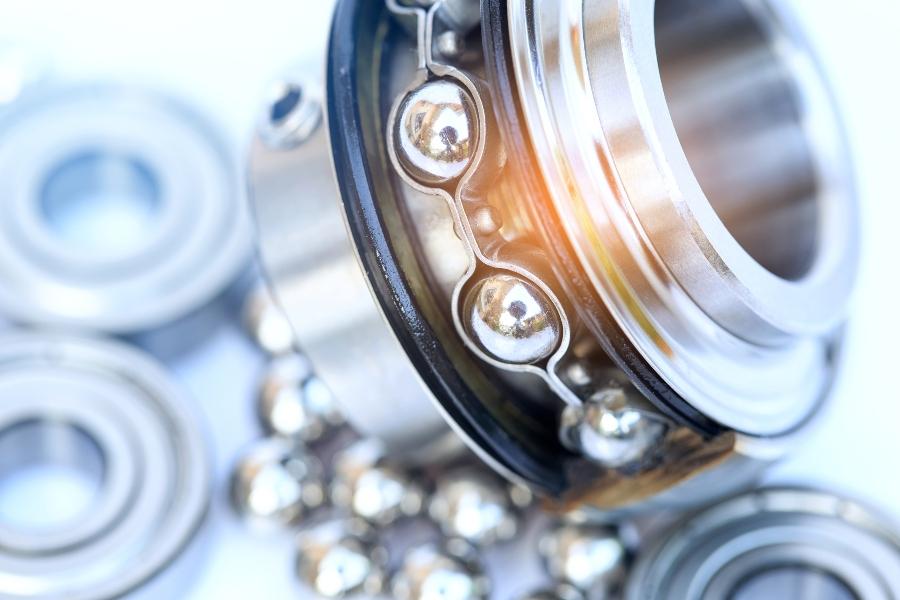
How Degreasing Agents Are Used in Surface Pretreatment
Oils and greases temporarily protect metal surfaces from corrosion during storage and processing. Long-term corrosion protection, however, is only achieved through surface technology. Specialized coatings act as barriers, preventing environmental...
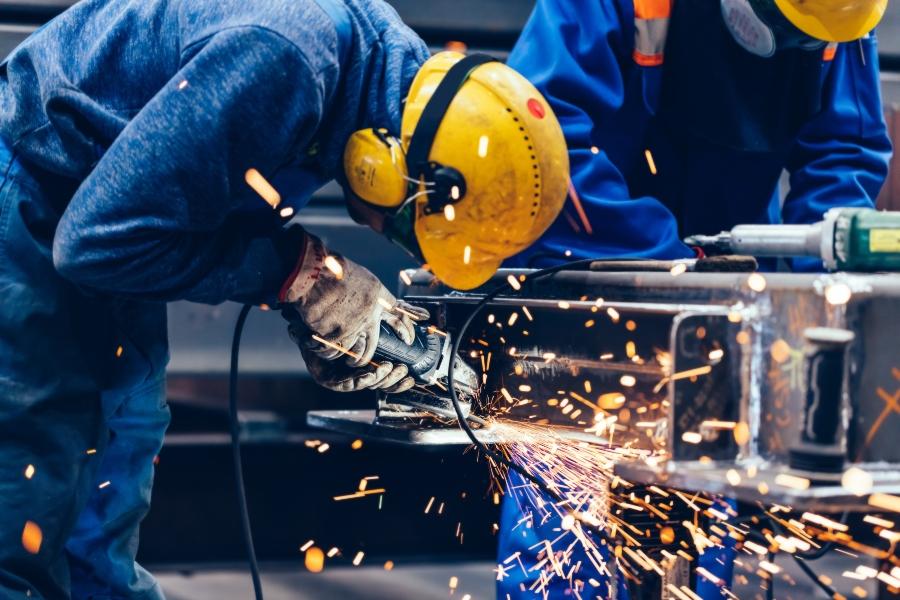
Surface Pre-Treatment
The adhesion of coatings and the durability of adhesive bonds depend largely on the condition of the surfaces involved. Pre-treatment gives a material the surface characteristics necessary for successful downstream processing. Surface treatment...
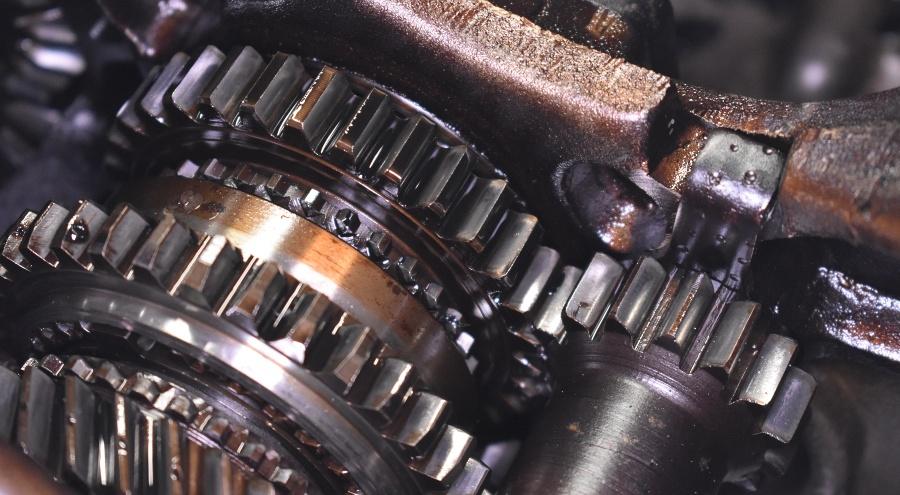
What is a Triobosystem
To develop effective methods for reducing friction-related losses of material and energy, it is necessary to develop a clear understanding of the mechanisms underlying friction and wear. In this context, the term "tribosystem" was introduced. The...
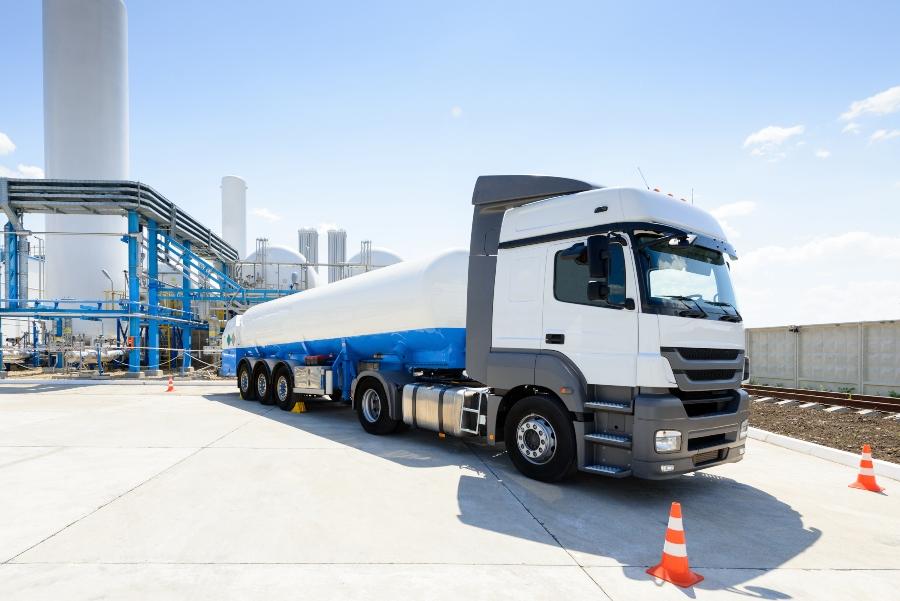
Everything You Need to Know About Proper Tank Truck Cleaning
Bulk transportation of feed, chemicals, petroleum products, and foodstuffs often takes place in tank trucks. To ensure that goods arrive safely at their destination in top condition, thorough tank truck cleaning is essential — both at regular...
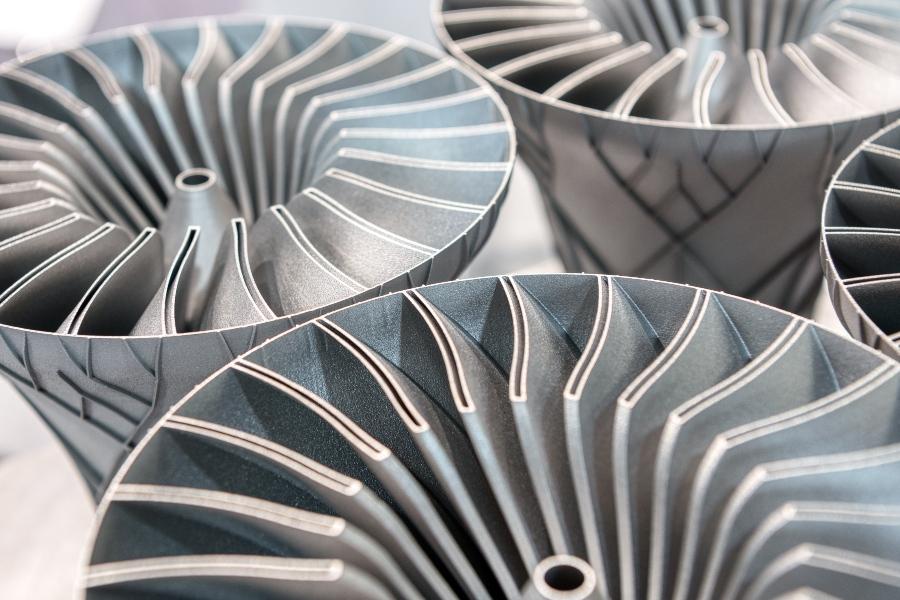
What Is Near Net Shape Manufacturing?
Near net shape manufacturing refers to production processes that deliver workpieces whose contours are close to their final dimensions. The term is used to distinguish these methods from subtractive machining, which can achieve tighter tolerances...

What Are Surfactants and What Role Do They Play?
Water beads up on many surfaces. After a rain shower, tiny droplets can still be seen on windows for a long time. This occurs because thin water films contract into droplets. All these are effects of surface tension, which becomes a problem when...
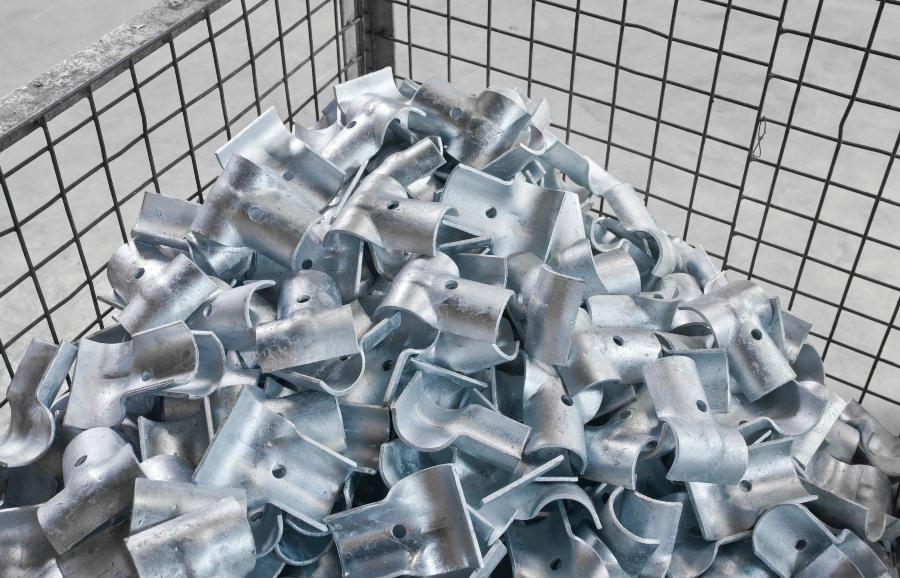
What Are Duplex Systems?
Wherever the word “duplex” appears, it usually refers to something double-layered. In surface technology, duplex systems are no exception—they consist of two protective layers to defend against corrosion. The bottom layer is created through hot-dip...

Scope 1, 2, and 3 Emissions
« How to Identify Starting Points for Reducing Greenhouse Gas Emissions » Global warming is arguably the greatest threat of our time. Looking at prehistoric periods, we see that during every major climate shift, the species that went extinct were...
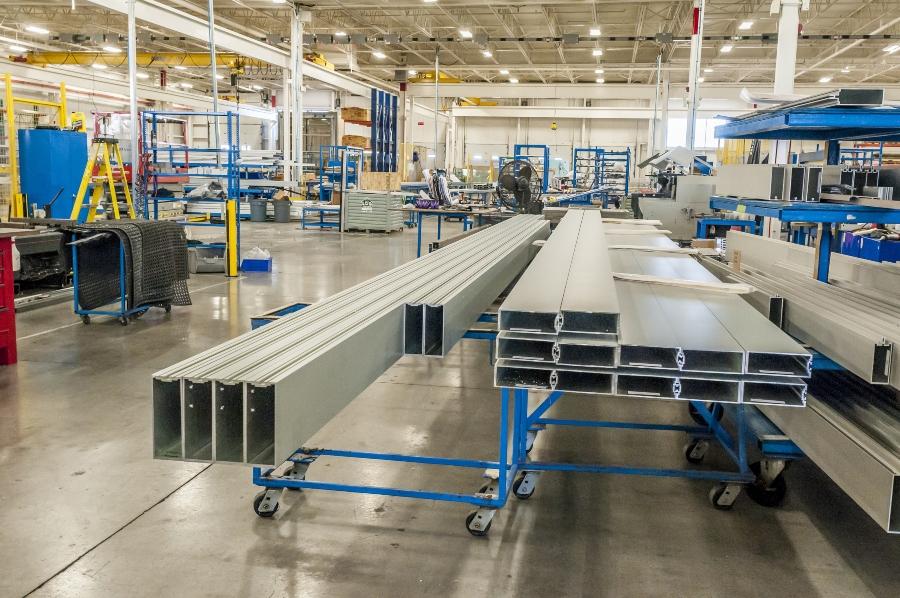
What is the Anodizing Process?
« A Brief Overview of the process » Anodizing is a process that provides aluminum semi-finished products (partially processed materials) or workpieces with a corrosion-resistant and wear-resistant surface. This protective layer is formed with the...
Kluthe Magazine
Expert knowledge, technical developments and practical insights across the entire surface treatment process chain – with a focus on efficiency, quality and sustainability.