

What Is Flocculation?
Everything You Need to Know About the Process Flocculation is a process in which very small solid particles, finely dispersed in a liquid, clump together into loose aggregates. The fluid and flocs can then be separated with minimal effort. Read on...

Overview of CO2 Binding Options
Since the mid-19th century, carbon dioxide levels in the atmosphere have steadily increased. With industrialization and rising carbon dioxide emissions, concentrations have surged from an average of 280 ppm (parts per million, a unit measuring the...
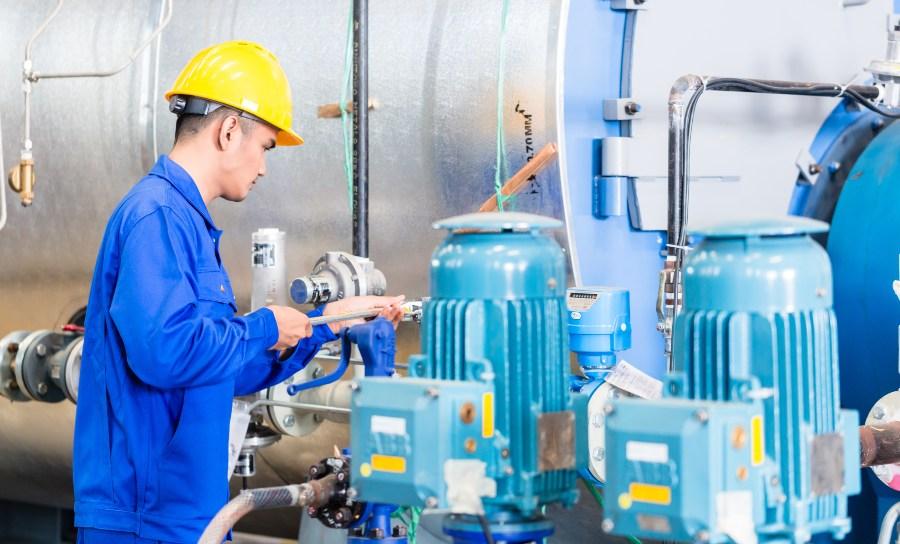
Effective Machine Maintenance
« The Importance of Surface Treatment for Equipment Efficiency » In common terminology, the phrase "maintenance and servicing of machinery and equipment" is frequently used. Strictly speaking, servicing is a broader category that includes...
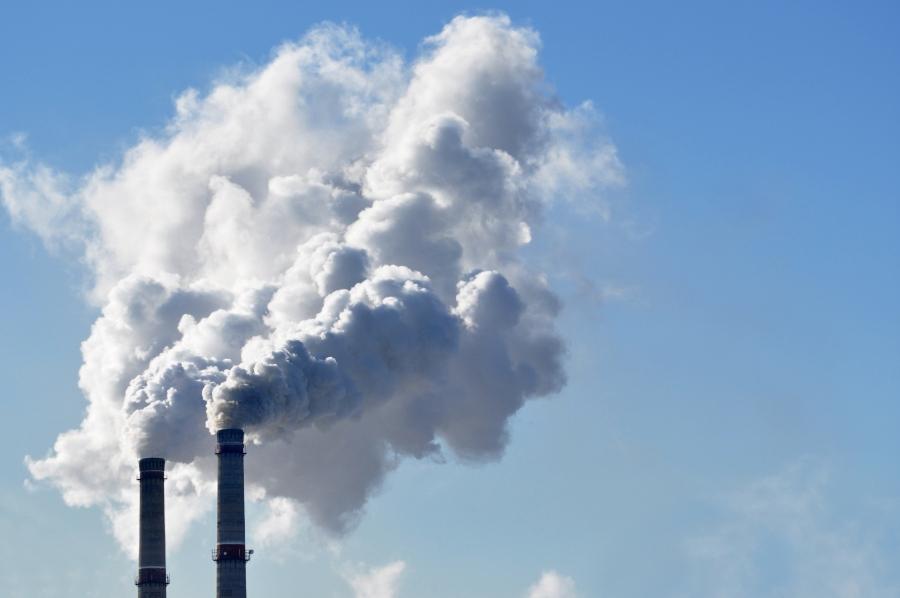
What Are the Main Greenhouse Gases—and Which Ones Are Especially Relevant in the Chemical Industry?
The accumulation of greenhouse gases in the atmosphere is the main driver of global warming. The consequences of this include droughts, heavy rainfall, storms, and flooding. Melting ice masses also raise sea levels. But why exactly are greenhouse...

Recycling in the Future
Emerging Trends in Reuse and Recovery Global raw material reserves are finite. Humanity consumes more resources than nature can regenerate. At the same time, so much waste is generated that the environment is overwhelmed by the burden. This...
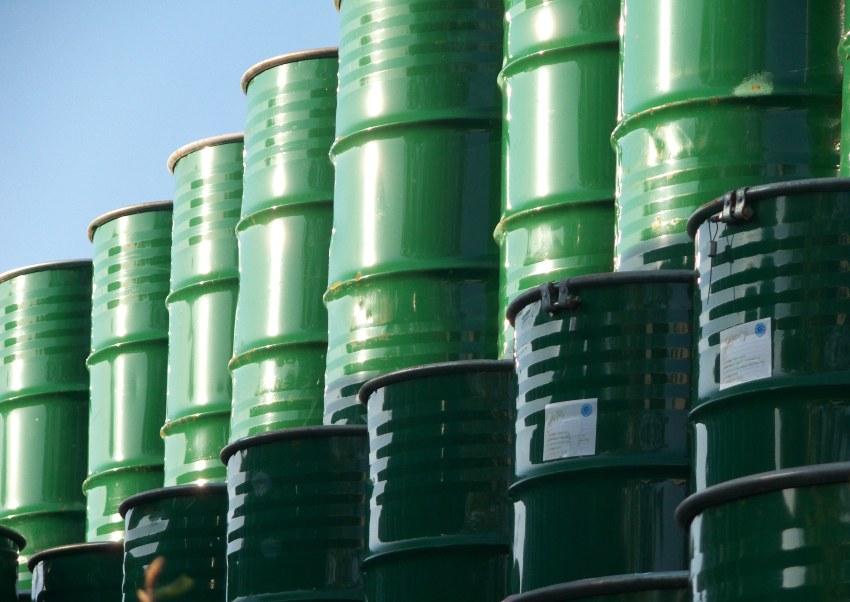
Reconditioned Barrels
« How Reconditioned Barrels Help Reduce CO2 Emissions » Barrels are a widely used packaging solution for chemicals consumed throughout the industrial sector. Lubricants, cleaning agents, corrosion protection products, paints, and coatings can be...

What Is Decarburization?
Decarburization refers to the reduction of carbon content in molten or solidified alloys. This process commonly occurs during the production and processing of steel but can also affect cast iron when exposed to elevated temperatures. This article...

Environmental Protection in Chemical Industry Companies
« Key Areas for Environmental Action in the Chemical Industry » Growing public interest in sustainability is prompting more business leaders to take responsibility for a sustainable future and to implement improved environmental measures within...

Avoiding Foam Formation
« Using Defoamers in Industrial Applications » Foam formation is a common issue in many industrial systems. In such cases, defoamers are needed to either suppress or prevent foaming altogether. This article offers an overview of how foam forms and...
Kluthe Magazine
Expert knowledge, technical developments and practical insights across the entire surface treatment process chain – with a focus on efficiency, quality and sustainability.