Plastic Recycling in Chemistry

« What Methods Are Used? » Plastics are widely used as packaging materials, insulators, components in various machines and devices, and as coating agents. Unfortunately, their widespread use has led to increasing environmental concerns as they are...

CNC Machining Explained: Types, Processes, and Applications

CNC machining (Computer Numerical Control) is a modern manufacturing technology that has reshaped industrial production. Known for outstanding precision, repeatability, and efficiency, it enables the reliable production of complex components across...

What Does Fractionation Mean in Chemistry?

« Separating Solvents and Other Applications of Fractionation Methods » In chemistry, fractionation refers to the process of separating mixtures into their individual components. This is achieved using a variety of specialized chemical separation...

Surface Treatment by Anodizing

Anodizing is the term for electrochemical processes in surface technology that create mechanically and chemically stable oxide layers on suitable metals. The word “anodizing” corresponds to the German term *Eloxieren*, derived from the initial...

Work Hardening Explained

« Processes, Benefits, and Applications in Modern Industry » Work hardening occurs when metallic materials are deformed below their recrystallization temperature. Discover how mechanical properties of metals change during forming processes, which...

Phosphating with Iron, Zinc, and Manganese

Phosphating with Iron, Zinc, and Manganese

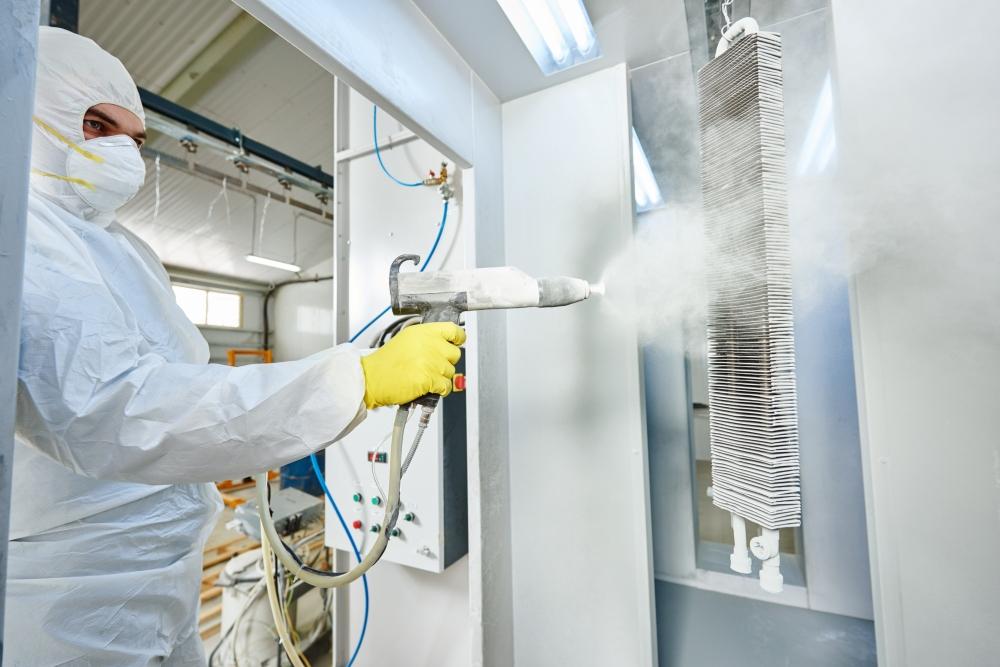
« Overview of Phosphating Processes » Phosphating refers to surface treatment processes that create specific protective layers on metal surfaces made of iron, zinc, or manganese. These layers are electrically insulating and contribute to corrosion...

read more...
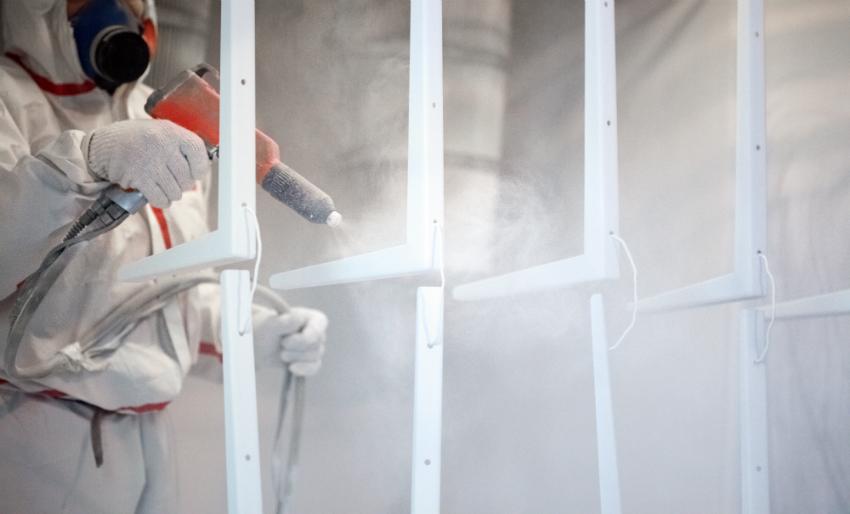
Paint Coagulation in Industry

Paint Coagulation in Industry

« Effectively Prevent Disruptions in the Paint Shop » Paint coagulation is a process within the wastewater treatment of paint shop systems. This process enables paint particles and water to be separated, allowing the water to be returned to the...
read more...
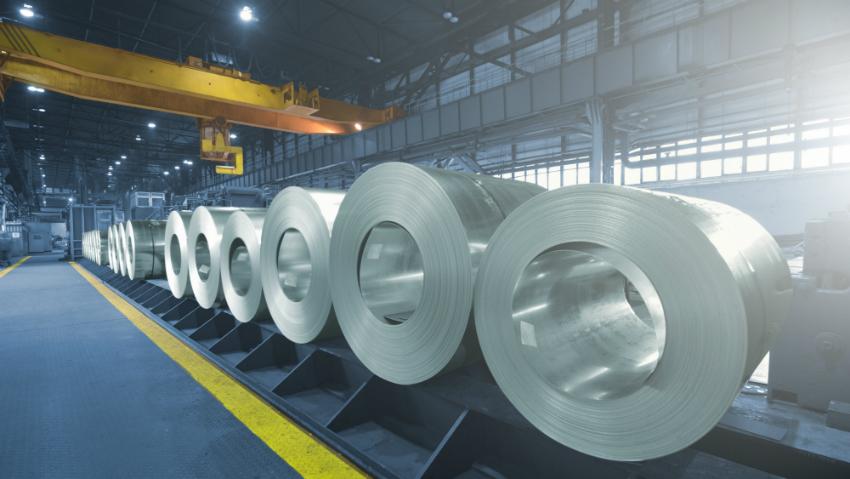
Hot-Stripping or Cold-Stripping

Hot-Stripping or Cold-Stripping

« Applications and Advantages of Each Method » Paint removal is always necessary when the coating on a surface is worn or damaged. Paint only provides protection against corrosion of metal or decay of wood when it forms a seamless, solid layer. Any...
read more...
Temper colors on stainless steel

Temper colors on stainless steel

« How to Prevent Metal Discoloration » Some minerals in nature stand out due to their beautiful, iridescent surface. This effect can also be observed on metal surfaces – which in industrial metal processing is sometimes desired, but in other cases...
read more...
Proper Disposal of Used Coolants

Proper Disposal of Used Coolants

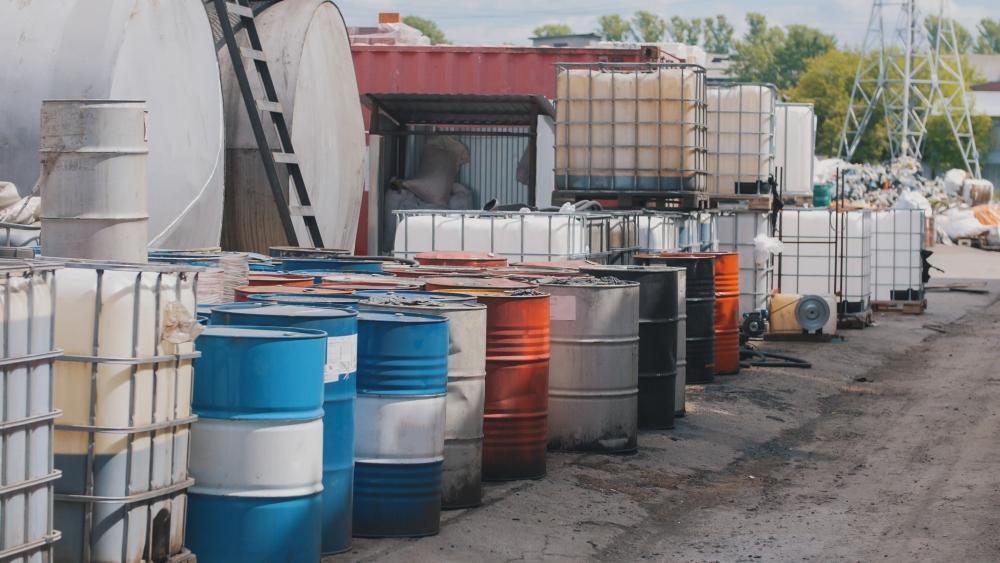
« Proper Disposal of Used Coolants » Metalworking relies heavily on the use of coolants. These cooling lubricants prevent tools from overheating and help remove debris from the work area. Even with proper maintenance, coolants eventually lose their...

read more...

Kluthe Magazine

Expert knowledge, technical developments and practical insights across the entire surface treatment process chain – with a focus on efficiency, quality and sustainability.