In chemistry, a solvent is a substance that enables the uniform distribution of particles from another substance within a mixture. In a homogeneous solution, the dispersing agent is the component makes up the larger amount. In surface technology,...

In chemistry, a solvent is a substance that enables the uniform distribution of particles from another substance within a mixture. In a homogeneous solution, the dispersing agent is the component makes up the larger amount. In surface technology,...

« Which Industrial Cleaner for Which Purpose? » Industrial cleaners are designed to remove production-related contaminants from parts during manufacturing. They are also used to keep machines, equipment, and buildings clean. Different cleaning...

Rusting is the most well-known form of chemical corrosion in metals, but it is far from the only one. Effective corrosion protection can be achieved using specialized chemical substances—so-called corrosion inhibitors—that prevent or at least slow...

« Effectively Preventing and Removing Surface Discoloration » Colored metallic surfaces are often desirable. For instance, steel does not have to just be shiny silver; it can be colored through sophisticated processes to almost any hue, including...

Paints and solvents often have a distinctive odor, similar to that of common adhesives. This slightly sweet smell is due to the solvent ethyl acetate. In lesser amounts, such as those used at home, there is not much of a health risk. However, when...
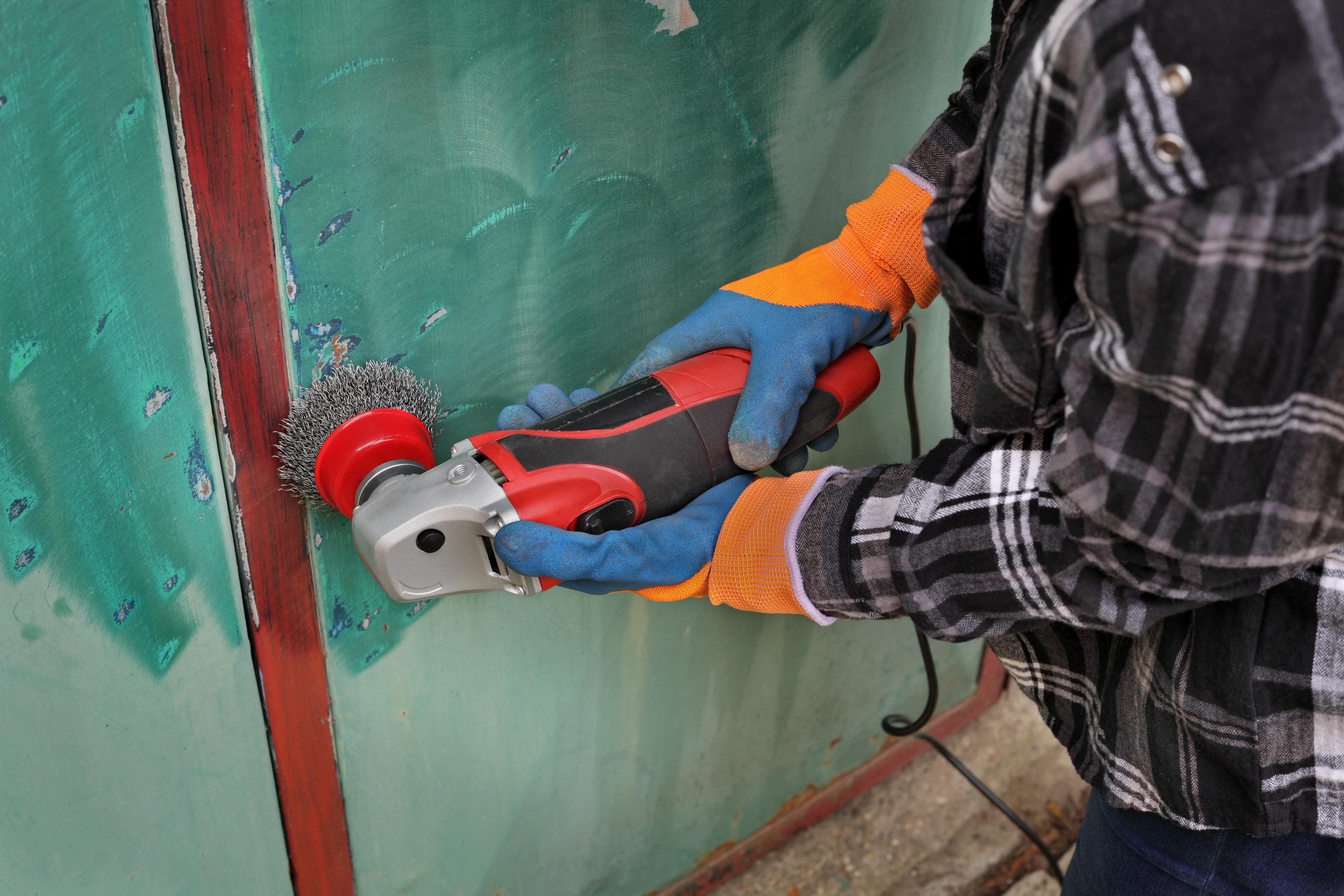
« Steel and Non-Ferrous Metals: What Paint Stripping Options are Available? » High-gloss coatings are a pleasure to behold. However, their primary purpose is to protect painted items from corrosion and mechanical damage. When the paint is worn off,...
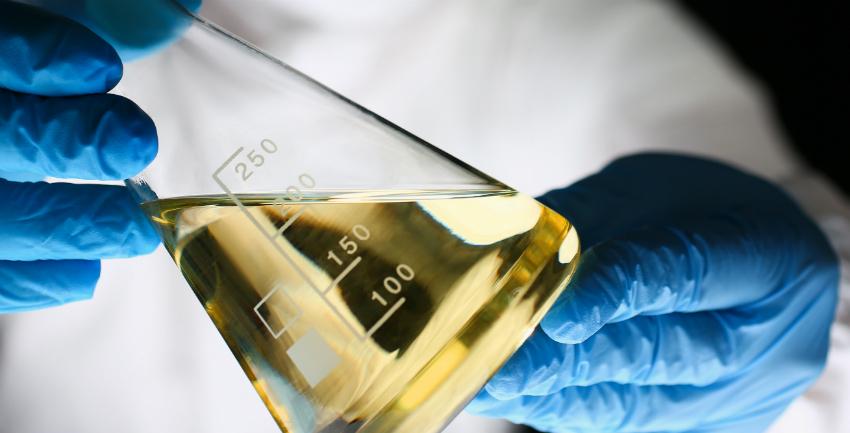
« What problems arise from insufficient oil-water separation? » Puddles shimmering with gasoline like a rainbow—what might seem intriguing can quickly become expensive. When oil and water are not properly separated, the mixture can enter the sewage...
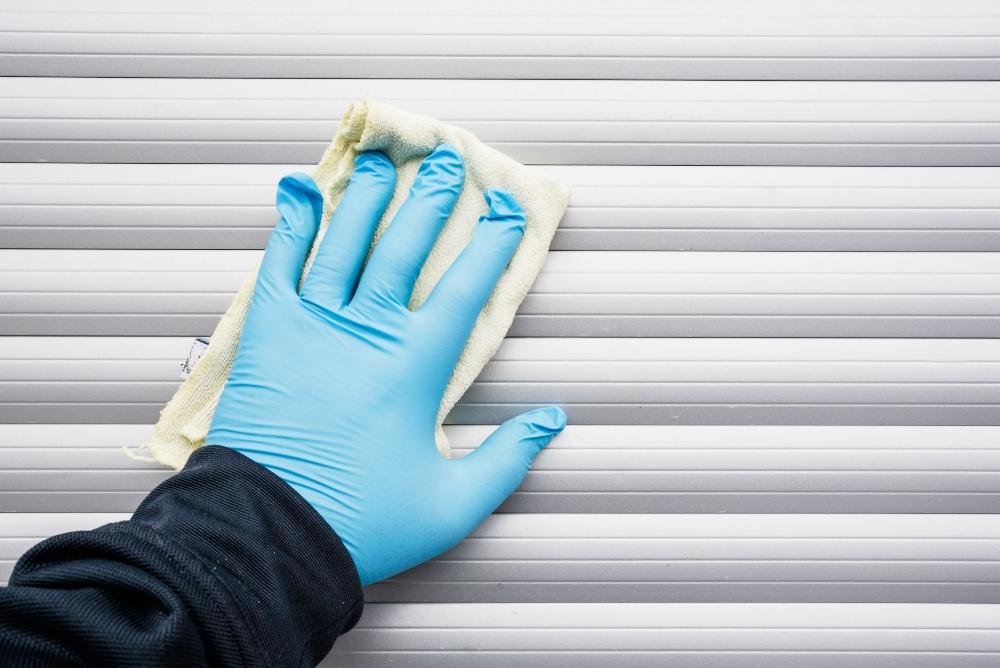
« Removing Stains and Discolorations From Lightweight Metal » Aluminum is a non-precious metal, meaning it reacts readily with oxidizing agents. When exposed to air, aluminum quickly forms a dense layer of aluminum oxide on its surface. This layer...

The flash point is a fundamental safety parameter used to assess the hazards associated with flammable liquids. In surface treatment and processing, cleaning agents, solvents, paints, coatings, and lubricants are widely used — and many of them are...
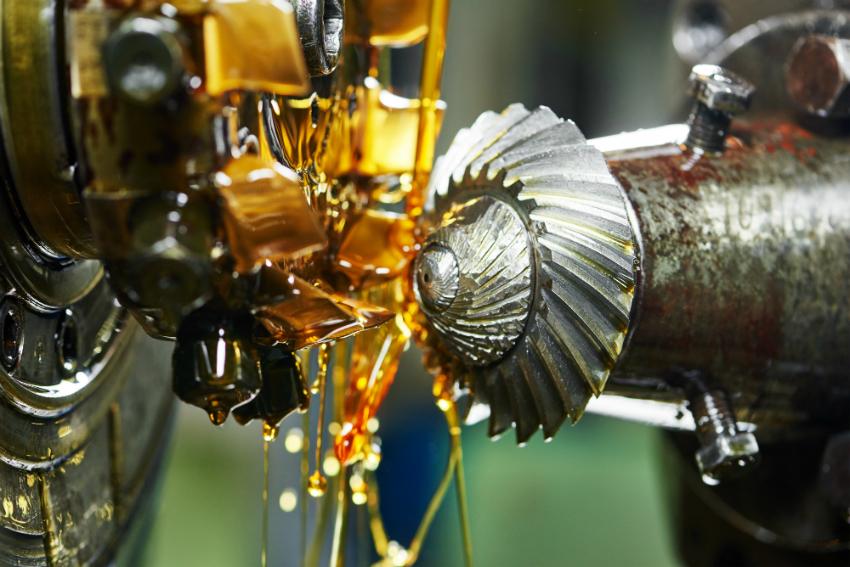
Metalworking facilities and auto repair shops often have a distinctive aroma of oil . When machines reach high temperatures, there is also a noticeable smoky odor. Any substance you can smell is present in the air and, therefore, can be inhaled...