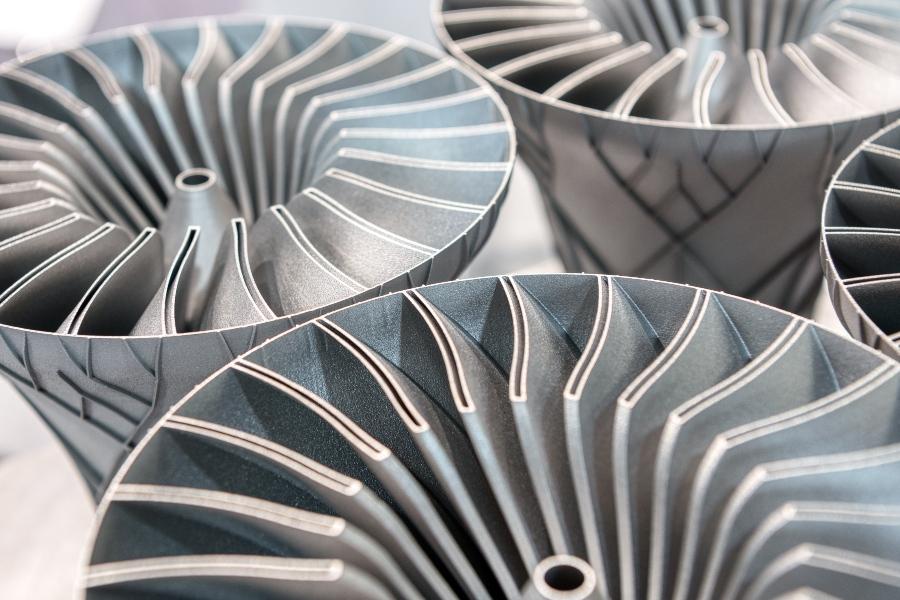
Near net shape manufacturing refers to production processes that deliver workpieces whose contours are close to their final dimensions. The term is used to distinguish these methods from subtractive machining, which can achieve tighter tolerances but is very time- and material-intensive. Using preformed workpieces significantly reduces this effort. In many cases, net shape manufacturing is also possible, where finished parts are produced directly through primary shaping or forming processes. Here is an overview of the most commonly used processes in this field.
Additive Processes, 3D Printing
The additive processes include:
- Stereolithography (SLA): At the surface of a bath filled with liquid, light-curing plastic monomers, a computer-controlled laser induces polymerization.
- Digital Light Processing (DLP): In a liquid plastic, a laser projection creates an image of the part to be produced, which is polymerized into a solid workpiece.
- Multi Jet Modeling (MJM): The material is applied in thin layers through nozzles.
- Selective Laser Sintering (SLS): Powdered ceramic material or plastic is hardened layer by layer using a laser beam.
- Selective Laser Melting (SLM): Metal powder is melted layer by layer by a laser beam and solidifies in the specified contours.
- Electron Beam Melting (EBM): Metal powder is melted layer by layer using an electron beam and solidifies in the specified contours.
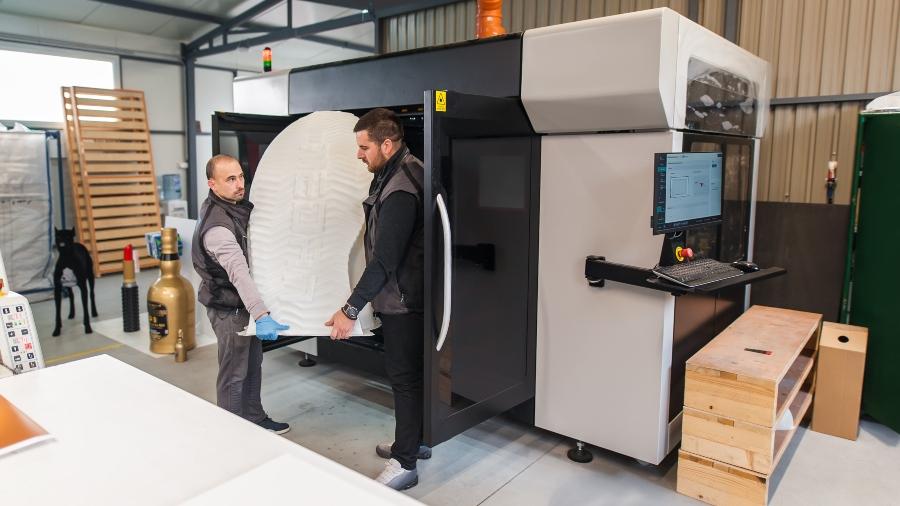
© guruXOX – stock.adobe.com
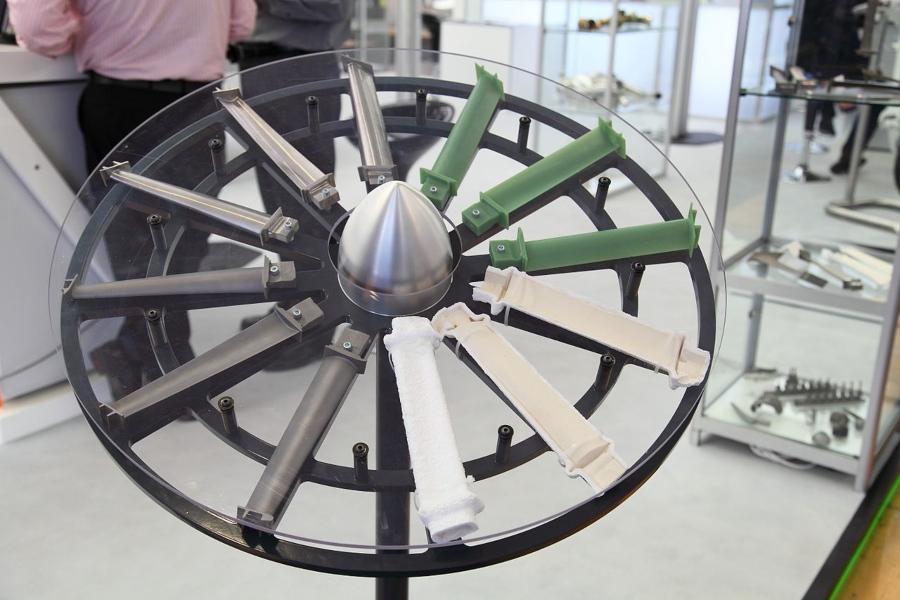
In these near net shape manufacturing processes, three-dimensional workpieces with virtually any contour are created from plastics, ceramic materials, metals, or carbon-based materials by building up multiple thin layers of material. The build process is computer-controlled. Initially, the materials are present in liquid or powdered form. Through physical and chemical processes, they assume the specified solid shape.
The major advantage of additive processes compared to other near net shape methods is that no tools such as molds or dies are required. This makes it possible to manufacture individual prototypes, models, tools, and small production runs cost-effectively.
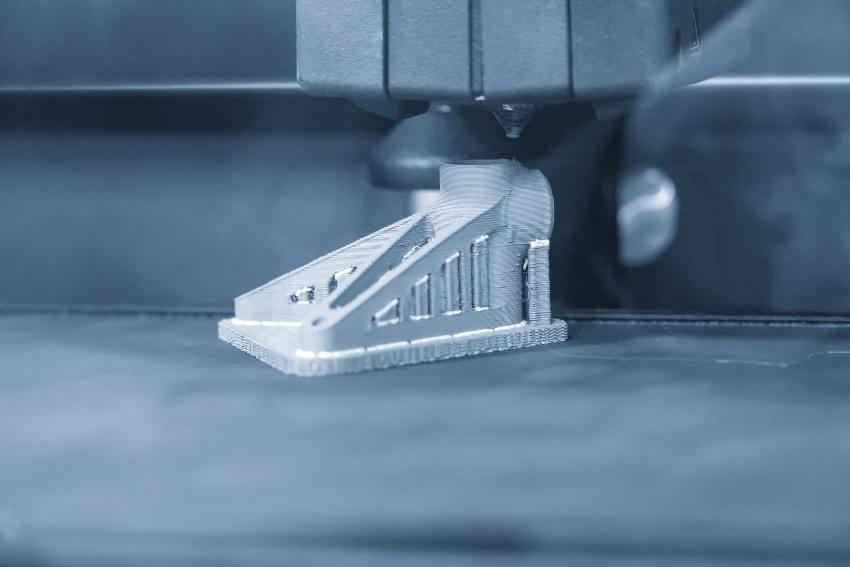
© Pixel_B – stock.adobe.com
Casting Processes
Different Casting Methods
- Sand casting: A reusable pattern creates a cavity in a sand mold, which is filled with molten material.
- Investment casting and centrifugal casting: A wax or plastic pattern is coated with a ceramic material. After the pattern is melted out and the mold is prepared, the resulting cavity is filled with molten material. In centrifugal casting, the mold rotates so that the material solidifies in a thin layer along the mold contour.
- Injection molding: The molds are filled under pressure.
- Permanent mold casting: A reusable mold is filled from above with molten material.
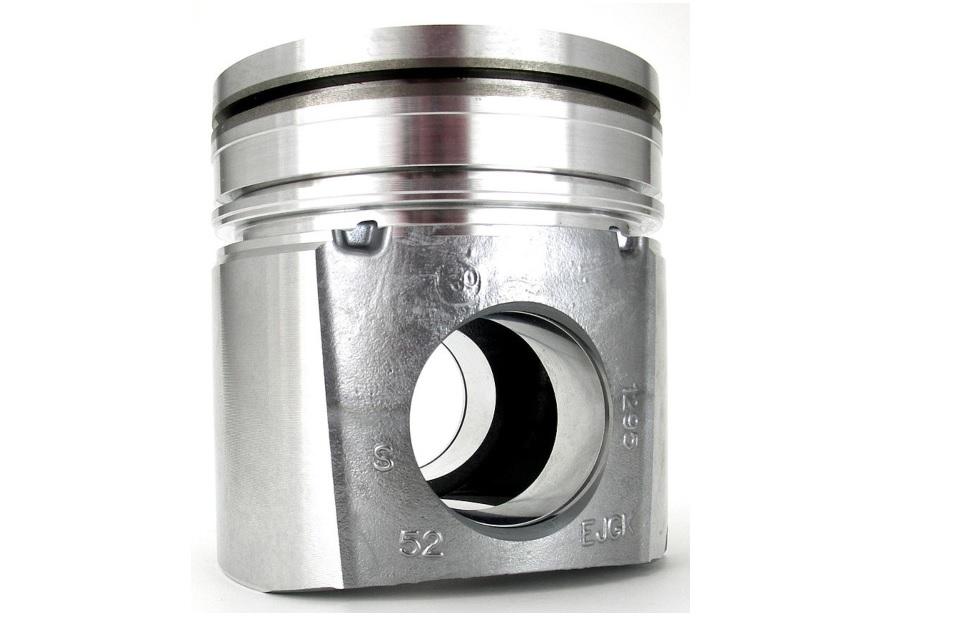
© S. Diddy | https://de.wikipedia.org/ | https://creativecommons.org/licenses/by/2.0/
In these near net shape manufacturing processes, liquid material solidifies in hollow molds. As the material cures or solidifies, it takes on the contours defined by the mold. The parts are then removed from the mold and cleaned. During cleaning, material that has remained in the channels used for material feed and air venting is removed. If tight-tolerance bearing bores, threads, or shafts are required, the parts undergo final machining.
© Bin im Garten | https://de.wikipedia.org/ | https://creativecommons.org/licenses/by-sa/3.0/
Forming Processes
Forming of semi-finished products is primarily used for the cost-effective production of mass-produced goods. This includes near net shape manufacturing processes such as:
- Cold bulk forming and die forging: Three-dimensional blanks are pressed into predefined molds at room temperature.
- Warm bulk forming: Three-dimensional blanks are pressed into predefined molds at elevated temperatures.
- Wire forming: Workpieces with the desired contours are produced from wire through upsetting and pressing.
- Open-die forging: Highly heated blanks are shaped into their final form by hammer blows.
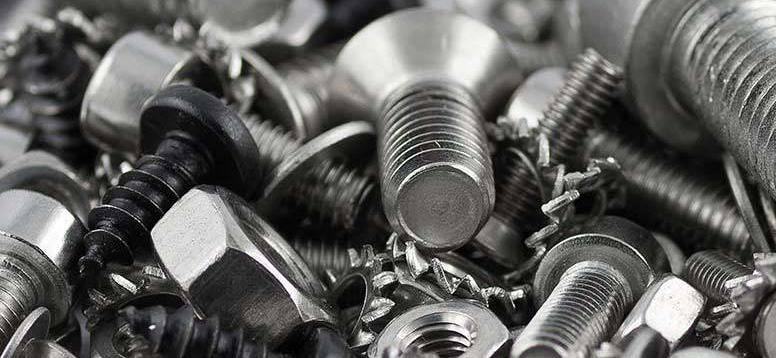
- Rolling: Rotationally symmetric tools with special contours produce corresponding shapes, such as threads.
- Sheet metal forming: Thin sheets are given the shape defined by the tools through pressing, embossing, drawing, or hydroforming.
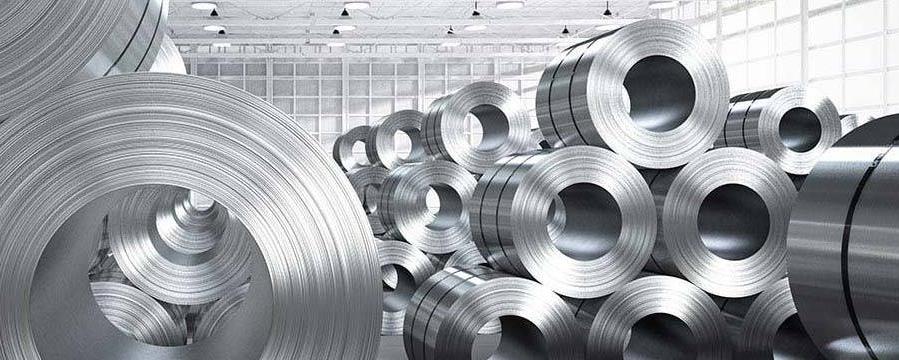
In these manufacturing processes, large forces cause the material to flow and assume the desired shape. Once the forces are removed, the workpieces retain their new contour. The flow of material along a tool involves significant internal and external friction, which can lead to welding between the material and the tool. To prevent this, surface engineering offers a wide range of forming lubricants. Lubricants, release agents, and coolants tailored to the respective operating conditions reduce external friction, prevent direct contact between the tool and the material, and dissipate a large portion of the generated heat.
Advantages of Near Net Shape Manufacturing at a Glance
Improved Material Utilization
Better material utilization in near net shape manufacturing leads to lower raw material procurement costs. Forming and most additive manufacturing processes use only as much material as is required for the workpiece. Casting and selective metal melting processes inherently consume only small additional amounts of material, which remain in the feed channels for the molten material or are required as support structures.
Less Post-Processing, Shorter Production Times
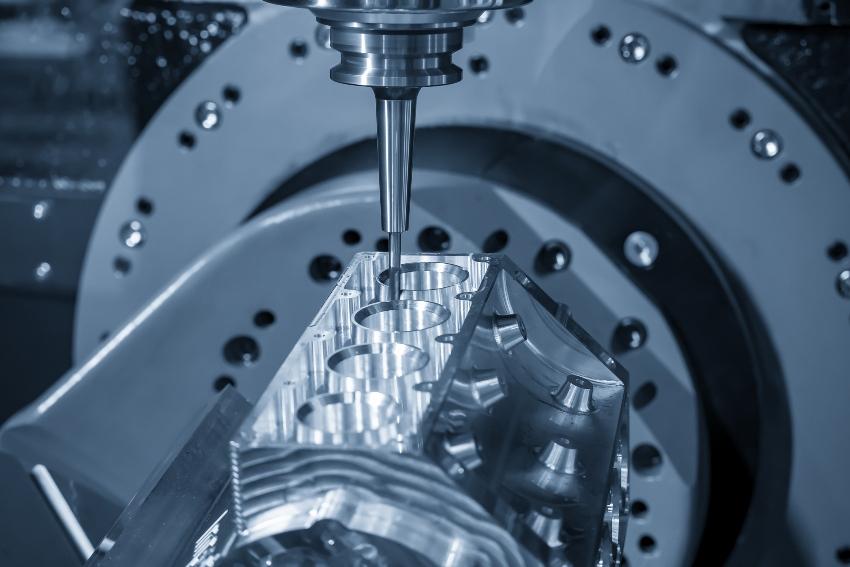
Because the external shape is largely completed during near net shape manufacturing, only minimal post-processing is required. This is necessary where process-related residues must be removed or the required dimensional accuracy is not achieved. In such cases, small machining allowances are usually sufficient for final operations such as turning, milling, or grinding. In addition, welding or bonding of components is often unnecessary because the end product can be manufactured as a single piece. Overall, this shortens the total production time.
© Pixel_B – stock.adobe.com
Complex Geometries Produced Quickly
Near net shape and net shape manufacturing processes make it possible to produce workpieces with complex contours and undercuts that would be difficult or impossible to manufacture using subtractive machining. This applies, for example, to a large number of transmission components and automotive body parts, where bulk forming and sheet metal forming are becoming increasingly important.
Less Waste
During subtractive machining of raw parts, a large portion of the material is removed as chips. The energy used during primary shaping and forming of semi-finished products is lost for this portion. Although metal chips are recycled, they must be transported and remelted, which consumes additional energy. Near net shape manufacturing reduces this material loss and the associated energy use.