« Effective against animal oils and fats, tar, wax, natural and synthetic resins »
Cold cleaners are often the preferred solution when it comes to removing oils and fats or stubborn residues containing dust, dirt, and wax. In metalworking as well as in plastics processing, these cleaning agents play an important role in parts cleaning, while other industries use them for maintaining engines and machines. The range of possible applications is broad — and so is the variety of available products.
Excellent Cleaning Power Under Mild Conditions
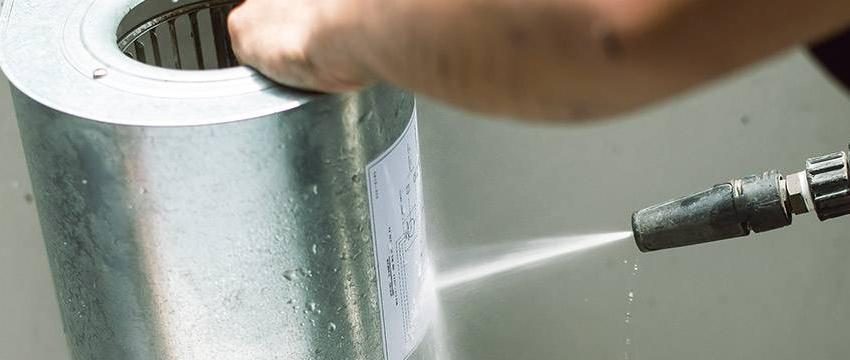
Cold cleaners are formulated to deliver their full cleaning power at temperatures as low as 68 °F (20 °C). Many other cleaners require higher temperatures to achieve comparable results. Cold cleaners consist of a mixture of various aliphatic or aromatic hydrocarbons. Their cleaning effect is based on the principle of “like dissolves like.” The organic solvents they contain ensure that hydrophobic contaminants such as oils, fats, tar, waxes, and resins are dissolved. After a short exposure time, the residues can be wiped or rinsed away. In most cases, these cleaners evaporate without leaving residues. In industrial environments, they are primarily used for cleaning and degreasing machines or machine parts. In workshops and home garages, they can also remove oil and grease residues from engine compartments or free bicycle chains from oil and grime.
Factors That Determine Cleaning Effectiveness
Cold cleaners contain a mixture of short-chain aliphatic and, in some cases, aromatic hydrocarbons. They have relatively low boiling ranges, normally between 284 °F and 374 °F (140 °C and 190 °C). At room temperature, most types are volatile and evaporate easily. Other typical ingredients include alcohols, ketones or hydroxyketones, esters, and ether compounds such as 1-methoxypropyl acetate. This broad range of components ensures that a suitable cleaning agent exists for virtually any cleaning task.
To ensure an adequate shelf life, stabilizers are added. These function as antioxidants and prevent premature decomposition of the solvent. Corrosion inhibitors help protect metal parts by passivating their surfaces, while antistatic agents prevent static buildup from friction — such as during transfer of the cleaning agents — thereby reducing the risk of ignition. Depending on the solvent, it may have a strong odor, which can be undesirable. Acetone, a common ingredient of nail polish removers, is one example. To make handling more pleasant, some products contain added fragrances that reduce or mask strong solvent odors.
Where Are Cold Cleaners Used?
Contamination by oils and fats, waxes, or resins is common in many industrial processes. Parts must be cleaned of such residues before further processing — for example, before painting — to ensure high-quality end products. A number of other fields also depend on the dissolving power of these cleaning agents.
Spotless Results in the Process
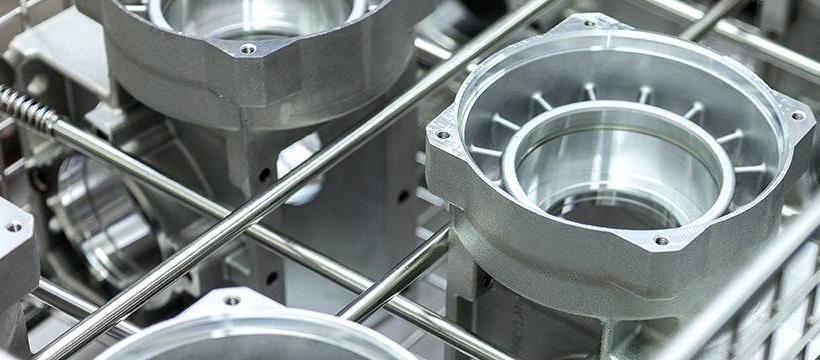
In the metalworking industry, parts cleaning is an essential step in the production chain. Sheet metal, profiles, or cast components encounter various corrosion protection coatings and oils during manufacturing and processing — such as drilling and stamping oils or cooling lubricants. Before further processing or final coating, all these contaminants must be completely removed; otherwise, the quality of the finished product will suffer.
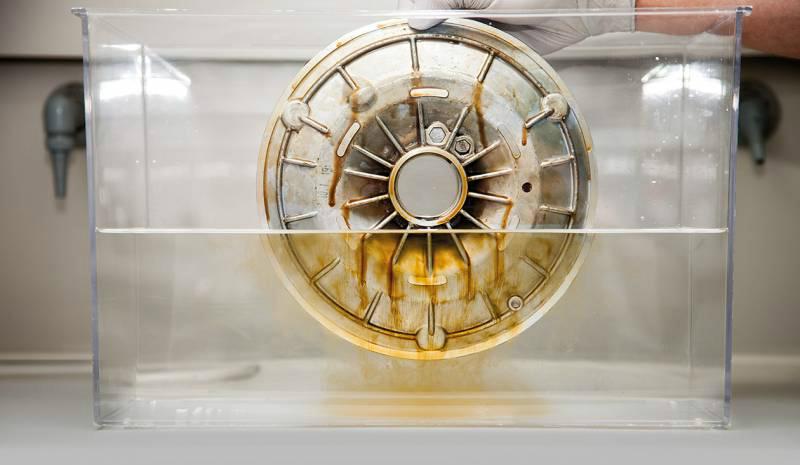
What applies to metal parts also holds true for molded and structural components in the plastics industry. Here too, drilling and milling require cooling lubricants. Many parts today are bonded, which leaves adhesive residues that require the use of organic solvents for effective removal.
Reliable Operation and a Clear View
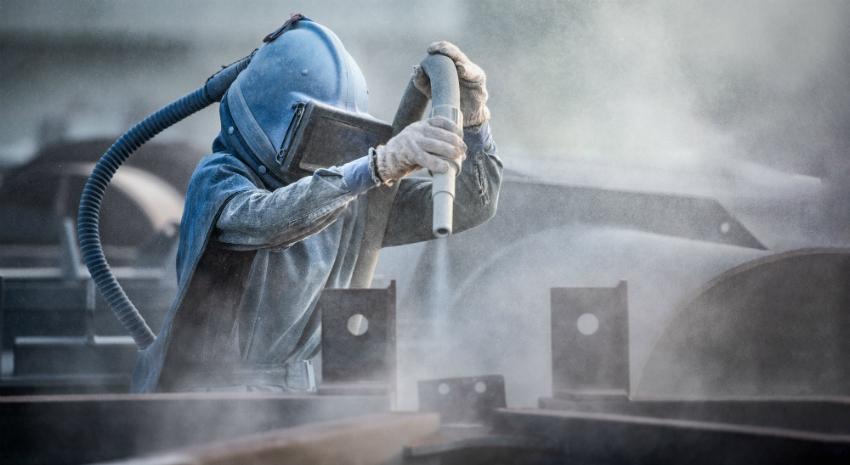
Cold cleaners are used not only in manufacturing but also wherever maintenance and cleaning of machinery are required. In auto repair shops, they are used for engines and transmissions; in the aerospace industry, for aircraft and engine components; and in the railway sector, for assemblies contaminated with grease and oil mixed with dust and dirt. Thanks to their strong dissolving power, cold cleaners are often indispensable for removing stubborn deposits and build-up.
Other areas of application include the optical and precision engineering industries as well as the electrical and electronics sectors. The optical industry depends on extremely clean lenses; oil films or fingerprints are just as disruptive as adhesive residues left from assembling optical devices. In the electrical and electronics industry, dust and dirt combined with oil or grease can form unwanted deposits on electric motors. Cleaning electronic components or circuit boards — where residue-free results are required — is another typical use for these cleaners.
© sakarin14 – stock.adobe.com
Precautions When Using Cold Cleaners
Safe Storage and Handling
Cold cleaners consist of various solvents, some of which have flash points around 140 °F (60 °C). They are volatile at room temperature and evaporate without leaving residues. While this property is desirable, it also requires careful handling. Because of their volatility and low flash point, there is an inherent risk of spontaneous ignition when exposed to air. Solvent vapors are heavier than air, and when the flash point is exceeded, an explosive atmosphere may form. Good ventilation minimizes this risk, so work areas should always be well ventilated. Transferring the cleaners should be done under a fume hood to immediately remove escaping vapors. For the same reason, containers should never be left open and should be stored only in ventilated flammable storage cabinets.
Because of the low flash point, special fire safety precautions must be observed. Cold cleaners must be kept away from ignition sources, open flames, and hot surfaces. Mechanically generated sparks or electrostatic discharges are equally hazardous. During transfer, static buildup can occur — and a single spark can have grave consequences. For this reason, containers must always be grounded.
Personal Protective Equipment
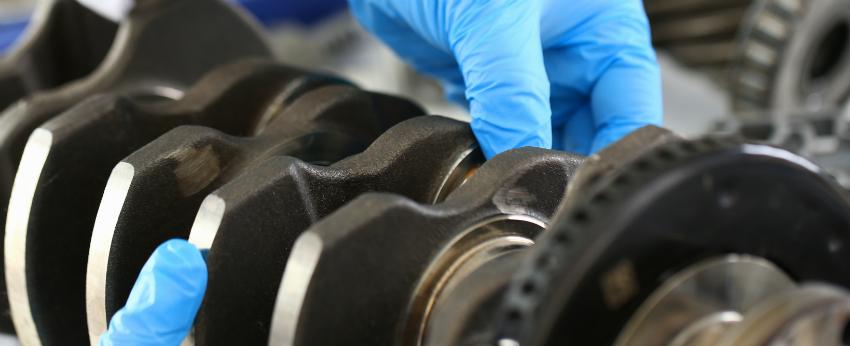
Users must wear appropriate personal protective equipment as is standard when working with chemicals. If vapors or aerosols are likely to form, respiratory protection must also be used.
© Hanna – stock.adobe.com
Skin protection is equally important. Cold cleaners remove natural oils from the skin and should therefore not come into contact with it. For handling, special gloves made of fluoroelastomer are recommended. Occupational safety guidelines also strongly advise applying a moisturizing cream after finishing the work.
Proper Disposal and Recycling
Companies that use large quantities of cold cleaners rely not only on manual but also on technical processes. When these cleaning agents are used in washing, dipping, or spraying operations, facilities must be equipped with an oil-water separator. This device separates the cleaner from the wastewater after use. In an oil-water separator, the oil-containing film is extracted and directed to recycling or disposal. Below the separator, a baffle wall allows the purified water to exit; this water can then safely enter the sewer system. Important: the cleaner must never be disposed of together with surfactant-containing wastewater. In such cases, the organic solvents become emulsified, and oil separation is no longer possible.
Separated cold cleaner can be reprocessed in a multi-stage procedure. In the first step, larger contaminants are physically removed by filtration and centrifugation. This is followed by two-stage distillation: first the low-boiling, then the high-boiling hydrocarbons are separated. Any organic components remaining in the distillate are precipitated with sulfuric acid, and the solution is then neutralized. In some cases, organic solvents are present that cannot be recovered by distillation. In such cases, disposal must be conducted by a licensed hazardous waste contractor.