 Kluthe Magazine
The term biocide is composed of the syllables “bio,” meaning life, and “cide,” meaning to kill. The meaning of this term highlights the need for particular care when handling chemicals that destroy life in order to protect or preserve other life. When is the use of biocides justified? How can the effect of biocidal products be limited to the intended purpose? For disinfectants used in hygiene applications that contain biocides, the justification is obvious. Their effect depends not only on the ingredients, but also on correct application.
Targets for Active Substances in Biocides
Forms of Target Organisms
The appropriate strategy for using biocides is based on the forms in which the respective target organisms appear. In disinfectants, these are pathogens. Other biocides act against algae, mold, or rot bacteria. Controlling insects (e.g., mosquitoes, moths, lice, bedbugs) with biocidal products requires careful consideration to protect beneficial insects. Special caution is also required when active substances are intended to control vertebrates (e.g., rats, mice, pigeons).
Mode of Action of Biocides
Living organisms differ from non-living matter through their metabolism. Anything that takes in nutrients, converts them into its own bodily substances, and excretes waste products is alive. These substances enable growth and reproduction. This process ends when a biocide destroys the structure of the organism or blocks its metabolic processes.
Many microorganisms form dormant stages known as spores, which can survive for prolonged periods without nutrients. When environmental conditions become favorable, metabolism resumes and the spores awaken. Only extreme external influences—such as very high temperatures, aggressive chemicals, or strong mechanical forces—can destroy these dormant forms.
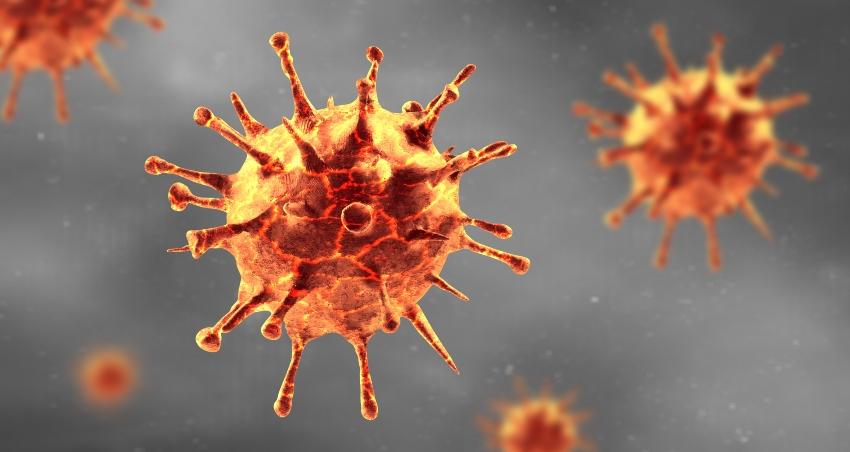
Viruses are a special case. They differ from living organisms because they have no metabolism of their own, and from inanimate matter because they can replicate inside host cells. The host defends itself by producing antibodies until it eliminates the viruses or its metabolism fails. Biocides intercept viruses on their way from one host to another.
Requirements for Biocides
Two requirements are central when using biocides: first, they must be effective. Second, their effect must be achieved without imposing undue burdens for humans, animals, and the environment. Chemicals may only be placed on the market as biocidal products if it has been demonstrated that they meet both requirements. With the Biocidal Products Regulation (EU No. 528/2012), a demanding regulatory framework was established in Europe. In the United States, the Environmental Protection Agency (EPA) regulates similar products under FIFRA (Federal Insecticide, Fungicide, and Rodenticide Act).
Biocidal Active Substances and Biocidal Products
The Regulation (EU No. 528/2012) distinguishes between biocidal active substances and biocidal products. Biocidal active substances are chemicals that kill harmful organisms. Biocidal products are substances placed on the market. These may be pure active substances or mixtures containing such substances.
Determining Properties and Characteristics
To evaluate a biocide, the responsible authority requires precise information about the properties and characteristics of the chemical, the test procedures used, and the intended method of application. In particular, the following must be clarified:
- its efficacy against target organisms
- its effects on humans and animals
- its behavior in the environment
- required occupational and environmental protection measures
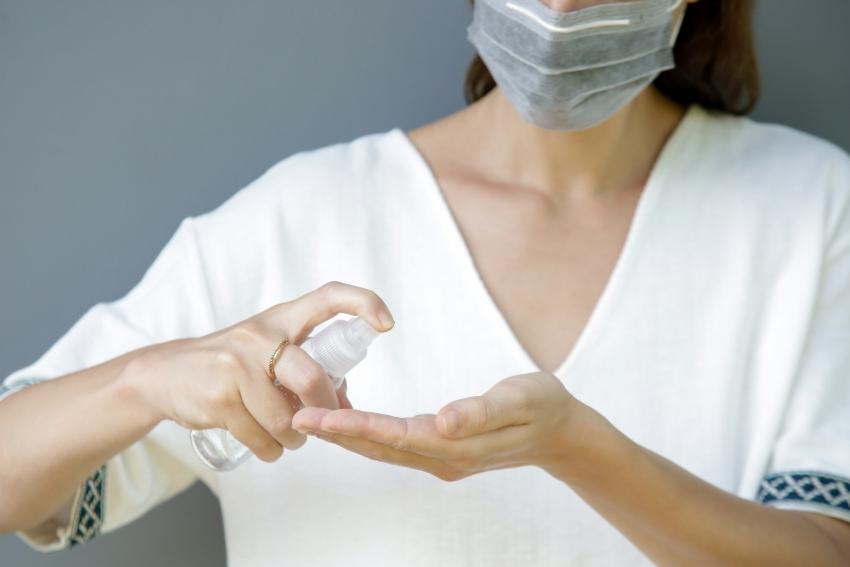
Classification of Biocidal Products into Main Groups
The necessary and permitted characteristics of biocides depend on their intended use. The classification into biocidal product types provides orientation. The system consists of four main groups:
- Main group 1: disinfectants for combating pathogens
- Main group 2: preservatives for materials
- Main group 3: pest control products to prevent uncontrolled spread of certain species
- Main group 4: other biocidal products, such as those used to protect structures in water or biological preparations
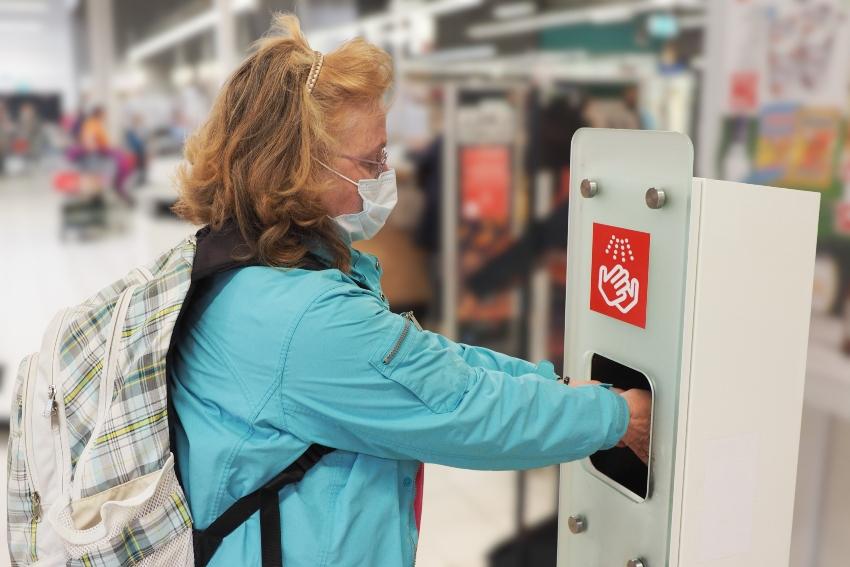
Areas of Application for Disinfectants
Disinfectants contribute to hygiene in a wide variety of application areas. Accordingly, the properties required of the chemicals and the associated risks vary. For this reason, biocides in main group 1 are assigned to specific product types.
- Product type 1 includes products intended for human hygiene. As they come into direct contact with the skin, harmful side effects must be ruled out. These products are subject not only to the provisions of the Biocidal Products Regulation, but also to pharmaceutical and medical device regulations. Hand disinfectants account for a large share of this product type.
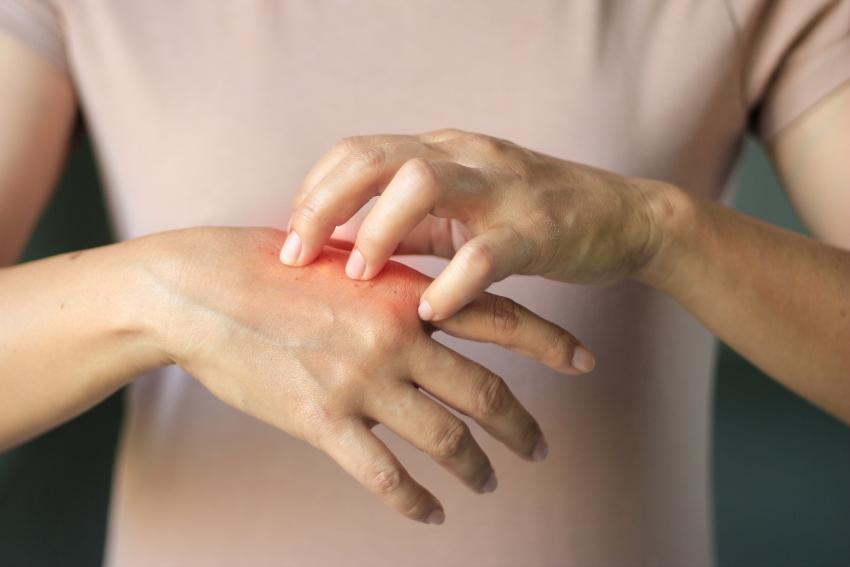
- Product type 2 includes disinfectants and algaecides for treating surfaces, materials, and equipment. These chemicals are not intended for direct use on humans or animals nor for surfaces in contact with food or feed. They are used, for example, to disinfect swimming pool water, the air in air-conditioning systems, and walls and floors. Products for disinfecting chemical toilets, wastewater, or hospital waste also belong to this type.
- Product type 3 is used in the veterinary sector. These products disinfect the skin or mucous membranes of animals, as well as surfaces and materials used to house or transport animals.
- Biocides used in the food and feed sector to disinfect equipment, installations, and surfaces belong to product type 4. This also includes disinfectants for drinking water.
Use of Disinfectants
The effect of disinfectants depends on the concentration of active substances and on the contact time. These two factors determine how much of an active substance a harmful organism absorbs. A specific amount—determined by testing—is required to reliably kill it. Additional tests determine the risks to humans, animals, and the environment that are associated with using these chemicals.
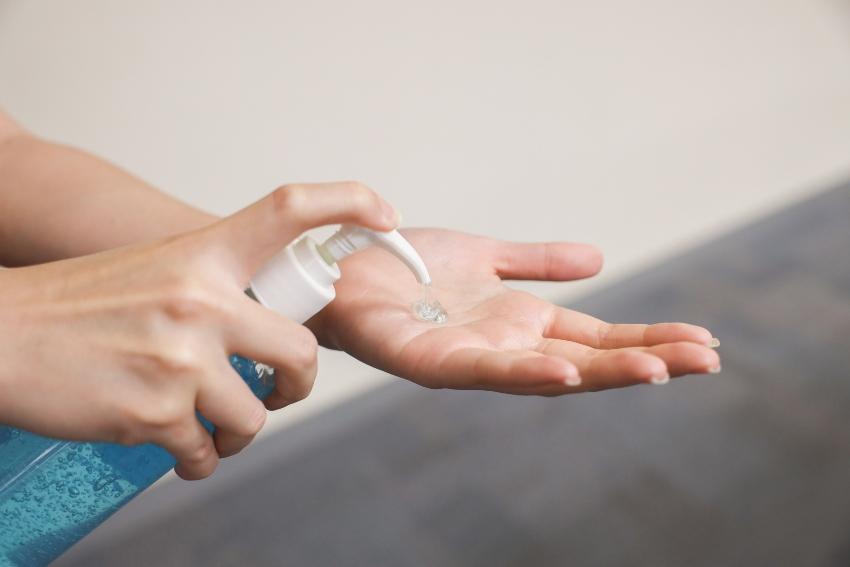
The results form the basis for the instructions for use. Users can obtain information about methods, frequency, and dosage, as well as protective measures for humans, animals, and the environment.
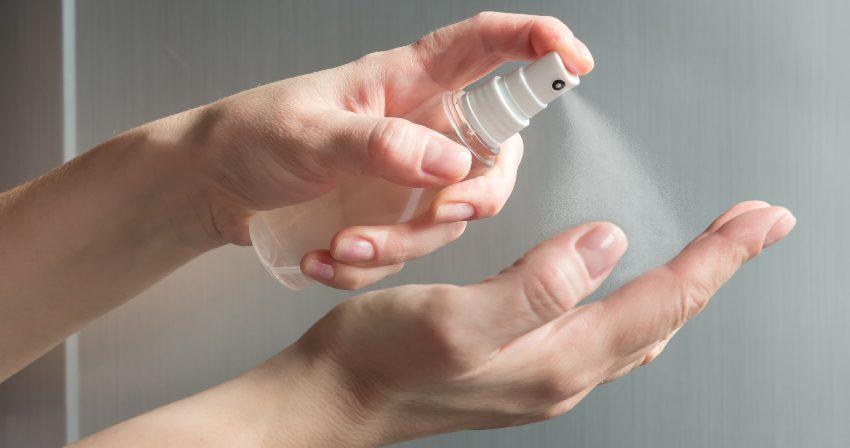
Hand disinfectants, for example, must be thoroughly applied to all areas of the skin and allowed to act for at least 30 seconds. The active substance in these products is usually alcohol, which is classified as a flammable liquid and can form an explosive atmosphere when mixed with air. Therefore, ignition sources must be avoided when handling hand disinfectants.