 Kluthe Magazine
What requirements are placed on modern coating systems?
QUALICOAT is the registered trademark of the Association for Quality Control in the Painting and Coating Industry, headquartered in Zurich, Switzerland. The trademark also serves as a quality label for surface pretreatment and finishing of aluminum components used in architectural applications. Detailed quality requirements must be met to receive the label, as defined in the QUALICOAT Standard. In this article, we explain the performance that aluminum powder coatings must deliver to ensure a long service life without loss of quality.
Organization of quality assurance
The QUALICOAT product certification system has become firmly established worldwide for aluminum finishing quality assurance. The global organization consists of national and international associations that function as general licensees on behalf of the Zurich-based Association for Quality Control in the Painting and Coating Industry. These general licensees inspect both manufacturers of pretreatment chemicals and coating materials, as well as companies that apply finishes to aluminum components. When the QUALICOAT specifications are met, chemical manufacturers receive approval for their respective products. Coating contractors then earn facility licenses upon passing inspection.
Structure of the QUALICOAT Standard
The specifications for pretreatment chemicals, finishing materials, and application facilities are updated annually and published by the Executive Board of the Association for Quality Control in the Painting and Coating Industry under the title “Specifications for Obtaining the Quality Label for Coatings on Aluminum by Liquid and Powder Coating for Architectural Applications.” Below is a brief description of each chapter of the standard.
Chapter 1
Chapter 1 of the specifications addresses general notes on the scope of application as well as general requirements for the aluminum alloys, coating materials, and pretreatment materials used. In addition, Chapter 1 includes the obligation for license holders of the quality label in surface technology to participate in QUALICOAT training programs, as well as important definitions of terms.
Chapter 2
This chapter describes the test methods for finished products and powder coating materials and defines the criteria for evaluating the test results. In most cases, these are based on international standards, which are summarized in Annex A9 of the specifications. The methods are supplemented by tests developed specifically for the QUALICOAT Standard.
Chapter 3
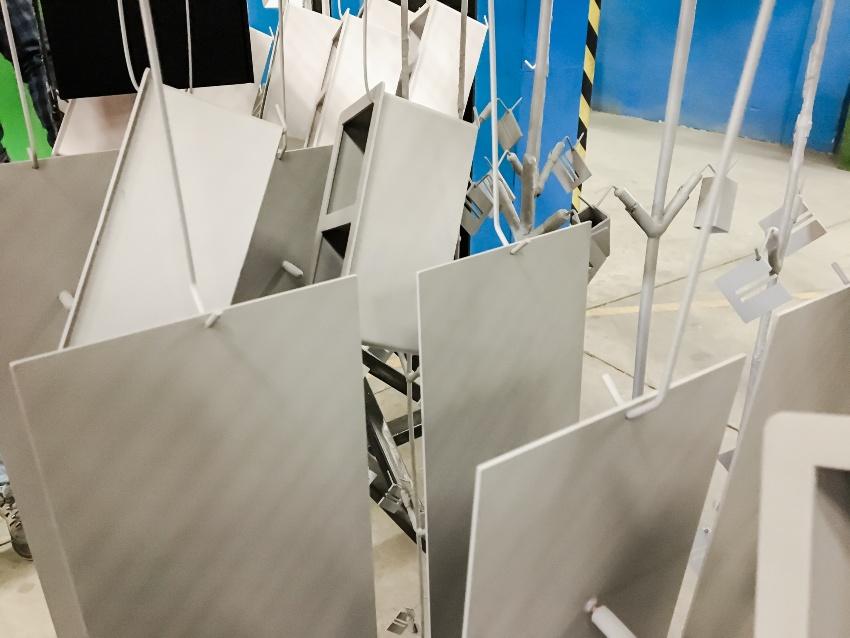
This chapter contains detailed operational guidelines for coating contractors. Among other things, it specifies exactly how surface pretreatment, the conversion process, finish application, and heat curing must be conducted. Contractors are required to perform certain inspections on the parts and to monitor equipment operating conditions. This requires a laboratory with a defined minimum level of equipment.
Chapter 4
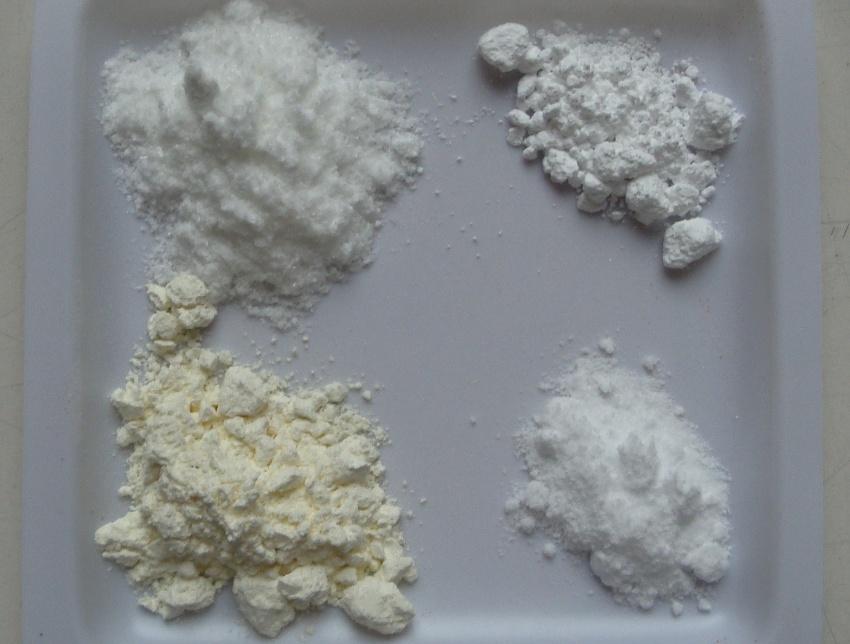
This section describes the requirements that must be met for the approval of powder coating materials. Approval is granted for a specific production site if the manufacturer of the powder coating materials provides the required technical information on its products. In addition, the manufacturer must operate a test laboratory with a defined minimum level of equipment and have the specified tests carried out on test panels by an accredited laboratory. The final evaluation of the results is performed by the responsible general licensee or by QUALICOAT itself. For this purpose, the independent laboratory submits the test report. Approval must be renewed on a regular basis.
Chapter 5
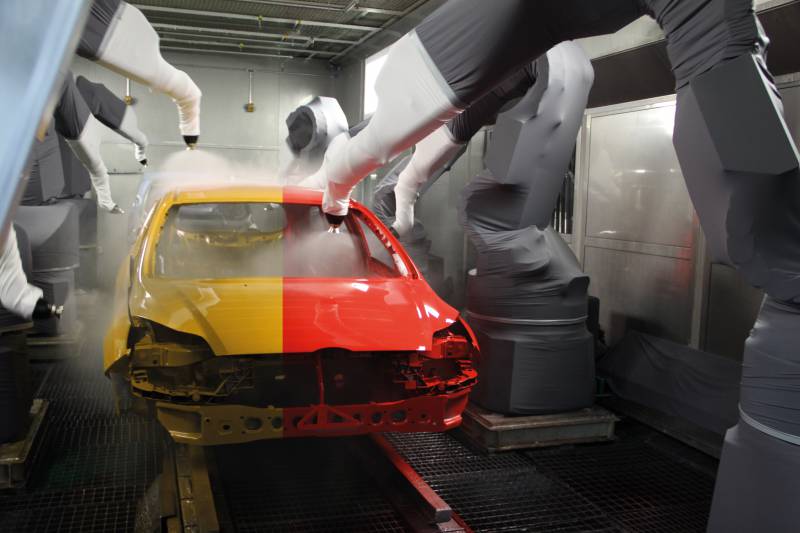
This section outlines the procedure by which coating companies in surface technology obtain the license to use the quality label. This requires inspection of the technical equipment of each coating line, the laboratory, as well as the materials and finished products. The basis for reviewing operating procedures and technical equipment is the operating instructions set out in Chapter 3. Tests on finished products are carried out in accordance with the test methods specified in Chapter 2. Once a coater holds the license to use the quality label, two inspections are conducted per year. If the results comply with the QUALICOAT Standard, the license is renewed on a regular basis.
Chapter 6
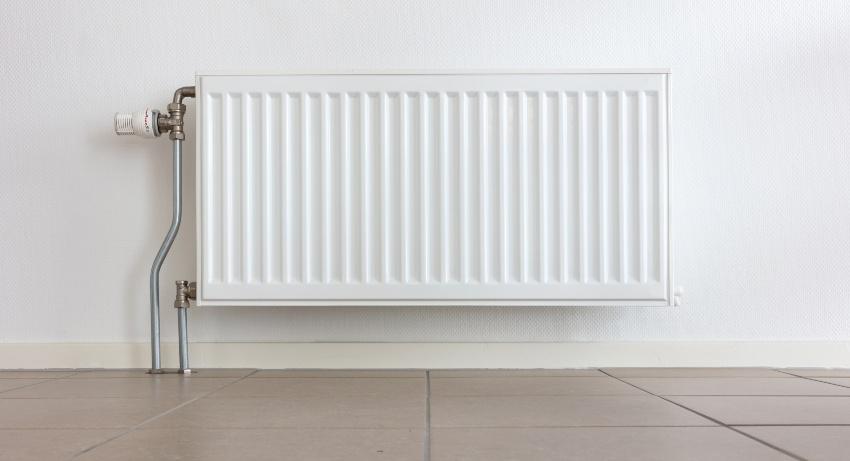
Chapter 6 requires coating companies to carry out extensive internal inspections as well as to document the procedures performed and the results obtained. Inspections cover operating conditions in surface pretreatment, during conversion processes, and in metal coating, including curing conditions, as well as quality controls of finished products from surface technology.
Brief overview of the prescribed test methods in the QUALICOAT Standard
The specifications for procedures and evaluating results in the QUALICOAT Standard are extremely comprehensive. This ensures the quality of the finished products and their long-term corrosion protection. The following tests are specified:
- Evaluation of the appearance of the visible surface
- Measurement of gloss according to customer requirements (matte, satin, or gloss)
- Determination of coating thickness (for QUALICOAT powder coating, depending on requirement class, between approximately 2.0 and 4.3 mils)
- Determination of adhesion of the powder coating to the surface using standardized adhesive tape (dry and wet adhesion)
- Indentation hardness test, cupping test, mandrel bend test, and impact test (after the specified mechanical load is applied, the finish must show no defects or cracks)
- Acetic acid salt spray test and exposure in cyclic condensation with sulfur dioxide–containing atmosphere (a scribe mark approximately 0.04 in. wide down to the metal may be undercut only up to the specified limit; no blistering; the tests provide information on the corrosion protection of the coating)
- Machu test (immersion in a solution with precisely defined composition, temperature, and exposure time; the previously applied scribe line may be undercut only up to the specified limit)
- Accelerated weathering test (after 1,000 hours, gloss loss and color change are evaluated)
- Weathering test (outdoor exposure is performed in Florida, USA, and lasts up to 10 years, depending on the class of the organic coating)
- Degree of crosslinking test (procedure to determine whether the properties of the finish change when exposed to an organic solvent)
- Resistance to mortar (mortar must be easily removable from powder-coated surfaces, subsequent color inspection)
- Resistance under constant condensation climate and resistance to boiling water (under defined conditions; for powder coatings, testing in a pressure steam cooker is also possible; application of a scribe pattern; testing with standardized adhesive tape; defects or delamination are not permitted; blistering and color change are subject to defined limits)
- Sawing, milling, and drilling of finished parts with sharp tools must not cause cracking or flaking
- Filiform corrosion test (on a scribed specimen, this thread-like form of underfilm corrosion is induced using hydrochloric acid; after a defined exposure time under specified conditions, the specimen is evaluated)
- Water spot test (evaluation of color change after exposure to fully deionized water at a temperature of 140 °F)
- Scratch and abrasion resistance test (using a Martindale tester; an abrasion pad passes over the surface under defined conditions for a specified period; gloss measurements are then carried out, and the gloss level is evaluated)
Conclusion: Quality in surface technology
Overall, it can be said that anyone purchasing coating products manufactured to the QUALICOAT Standard can rely on them meeting high quality requirements. Thanks to the strict testing criteria, such products in surface treatment meet fundamental requirements, which increasingly also include sustainability (green chemistry).