 Kluthe Magazine
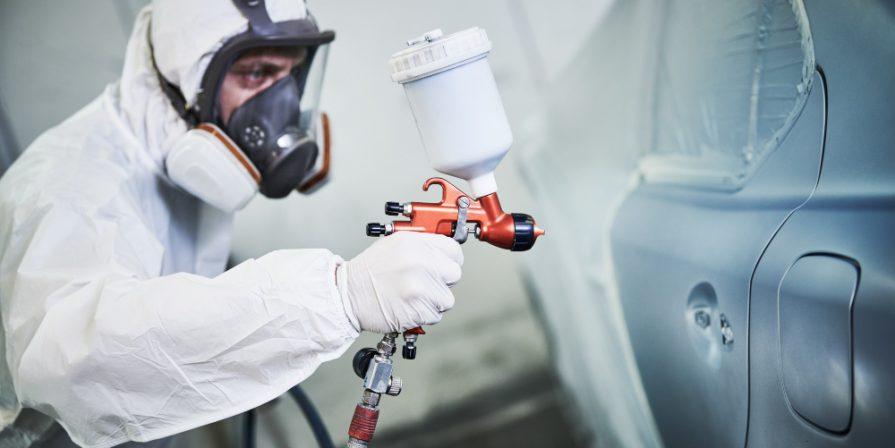
Process chemicals are chemical substances that enable or support technical operations. In machines and systems, these substances and the processes that rely on them produce ready-to-use items and products for further processing. Coating is a complex process composed of several subprocesses, with each step requiring specialized chemicals that are precisely coordinated to work together.
The Processes of Coating Technology
The goal of coating is to create a durable, resistant layer of paint on the component surface. The stresses that the parts are expected to encounter in practical use determine the requirements for this coating. From these requirements and the nature of the components, the optimal coating technology is identified. . To implement this technology, a system is needed that defines the individual work steps in detail and specifies the necessary process technology as well as the required process chemicals for metal or plastic coating.
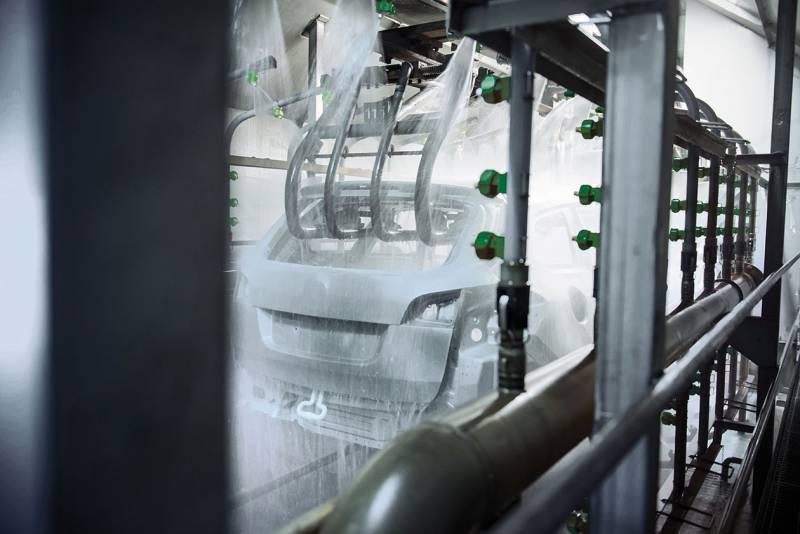
At the center of this technology is the coating process, which consists of cleaning, pretreatment, and coating. For economical and environmentally friendly process design, auxiliary processes such as recovery of process materials, use of waste heat, and waste treatment are essential. . Auxiliary processes also cover measures for troubleshooting, start-up and shutdown routines, and maintenance work.
Chemical reactions occur during the individual steps of the coating process. The reaction speed and the resulting products depend on the conditions under which the processes take place.
To achieve optimal results, temperature, pressure, and the concentrations of the process chemicals must fall within defined ranges. At manual workstations, the skill and experience of personnel are essential for proper execution. In complex systems, specific parameters are defined, measured, and kept within the required range using control and automation technology.
Process Chemicals for Coating
The chemical substances that become part of the final product during coating are the paint, the primer, and the components of the conversion layers that were created during pretreatment. All other substances needed to produce these layers are referred to as internal process chemicals. These include:
 Paint Strippers
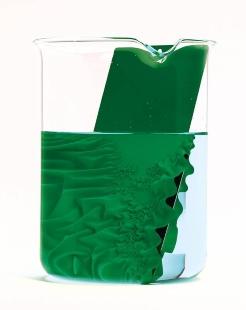
Paint strippers are used to remove coating from incorrectly coated parts and tools such as grids, racks, or hangers. The substances used must be compatible with the specific material and the type of coating. Alkaline solutions are suitable for steel parts and these products are normally supplied as concentrates.
Before use, they are diluted with water. Nonferrous metals can be treated using organic paint strippers.
Products are available for cold stripping at normal room temperature and for hot stripping at temperatures up to 248 °F (120 °C). Before using these products, one should verify whether they can be recycled and whether they are free from SVHC. SVHC stands for “Substances of Very High Concern.”
 Thinners
Every liquid coating system requires a suitable thinner to achieve the correct flow behavior. The chosen solvent blends will influence layer thickness, gloss level, and coating properties. They are also used to remove paint residue from tools used during application.
Thinners function by evaporating. As the coating dries, the thinner escapes into the surrounding air as vapor. Large-scale coating operations therefore require exhaust systems equipped with air purification technology, to safely remove any volatile substances.
Agents for Paint Coagulation and Wastewater Treatment
In spray booths and manual workstations, overspray is captured by water curtains or water walls. The water then circulates through treatment systems to remove paint particles and maintain process quality.
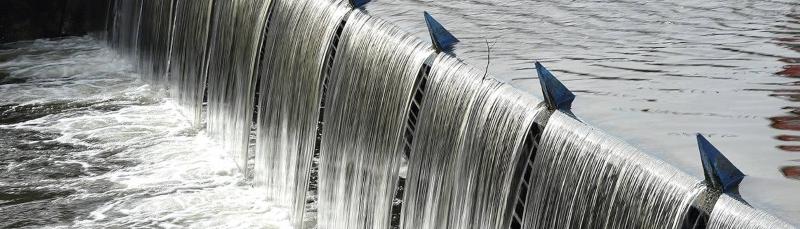
Coagulation agents are used to separate paint from the water by causing fine paint particles to clump together. This allows the paint to be removed from the water. Defoamers and flocculants support the process. The latter are widely used for wastewater treatment, including the treatment of wash water and rinse water.
Rinse Media
Rinse media are used in coating systems before color changes are made and during maintenance operations. They are pumped through piping systems, where they dissolve deposits and flush them out.
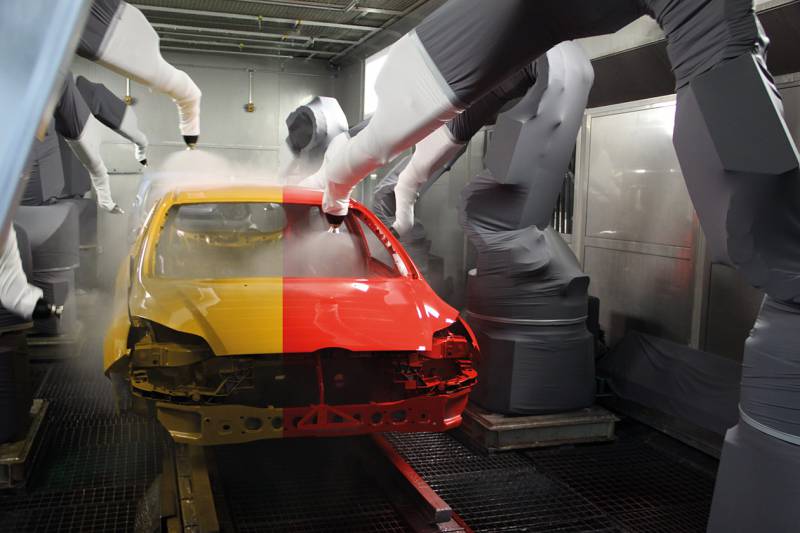
Rinse media should be as free as possible from VOCs (volatile organic compounds). These substances have high evaporation rates, and their vapors contribute to global warming.
Optimal Use of Process Chemicals
Optimal use of process chemicals depends on reaction conditions, including:
- pressure and temperature
- concentration
- degree of mixing
- residence time
To adjust concentrations of involved substances precisely, process control systems measure specific parameters and compare them to target values. Excess chemicals are removed, and required substances are then added. The closer the process stays to target values, the more efficient it becomes.
One important parameter is pH. Many chemical reactions produce satisfactory results only in acidic, alkaline, or neutral ranges. Adding acid lowers the pH; adding alkali raises it.
Substances not directly involved in the reaction are also considered process chemicals. Stable process performance requires sufficient mixing of components. This is achieved through appropriate dosing technology and optimal dosing points. When chemicals are supplied into the feed lines of individual subsystems, flow conditions inside pipes and pumps aid mixing. Residence time refers to the time chemicals require to become effective—relevant for both chemical and physical processes.
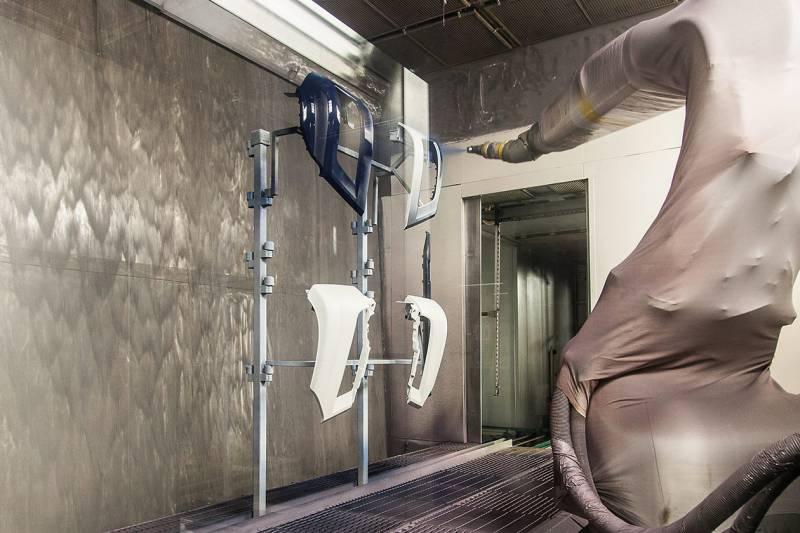
If residence time is too short, product quality suffers; if it is too long, efficiency decreases. Manufacturers such as Kluthe account for these factors when developing coordinated process chemicals and provide users with detailed guidance for optimal use.