« Passive and Active Corrosion Protection - We explain the differences » Passive and active corrosion protection encompasses all technical measures that serve to protect materials from destruction by environmental influences. The oxygen and...

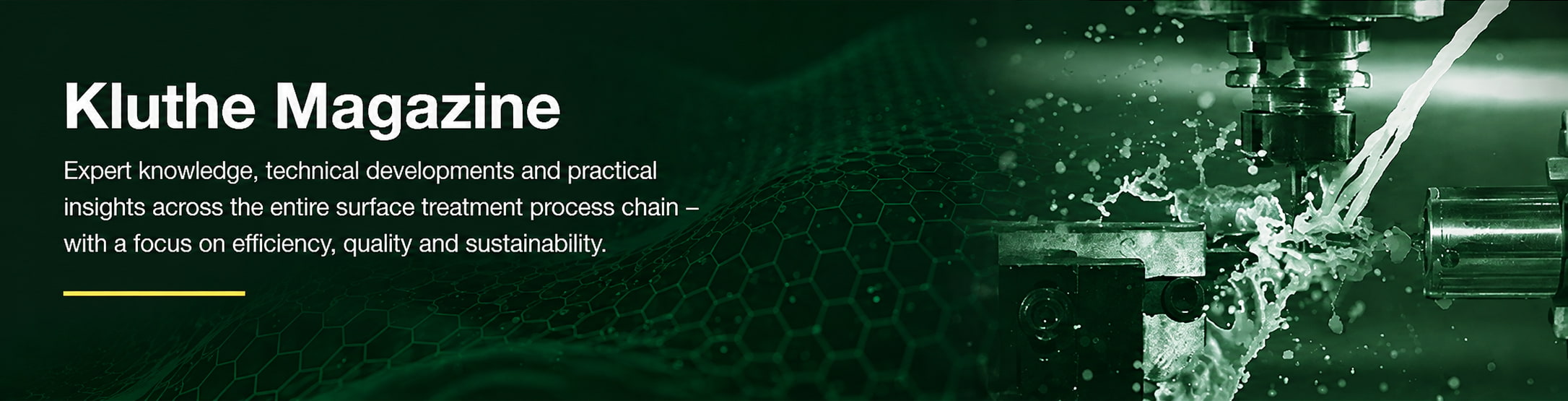
« Passive and Active Corrosion Protection - We explain the differences » Passive and active corrosion protection encompasses all technical measures that serve to protect materials from destruction by environmental influences. The oxygen and...
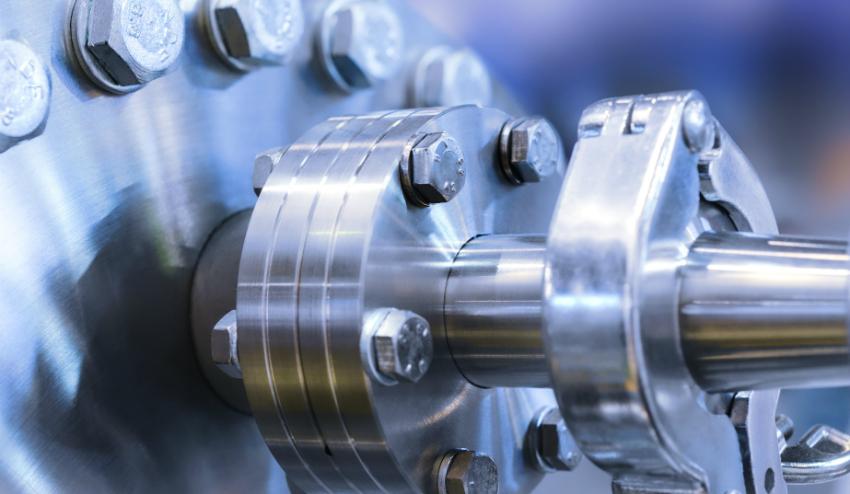
Drying and corrosion protection through water displacement Metal parts can be dried in many ways, including through the application of heat. However, this drying method has the drawback of being energy-intensive and time-consuming. Most...
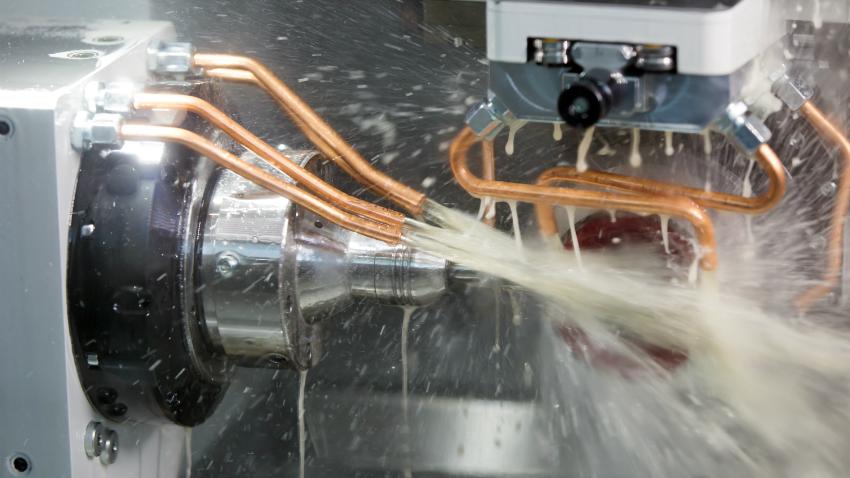
The term "emulsion splitting" encompasses various methods applied in wastewater treatment. Emulsions are mixtures of liquids that do not dissolve into each other. Emulsifiers are necessary to create a stable emulsion. When it becomes necessary to...
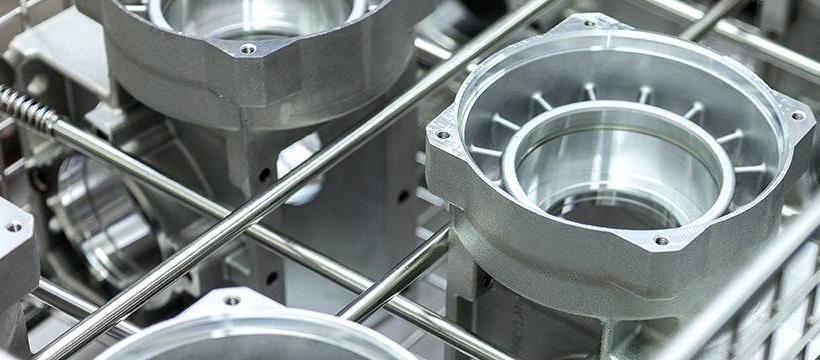
« Effective against animal oils and fats, tar, wax, natural and synthetic resins » Cold cleaners are often the preferred solution when it comes to removing oils and fats or stubborn residues containing dust, dirt, and wax. In metalworking as well...
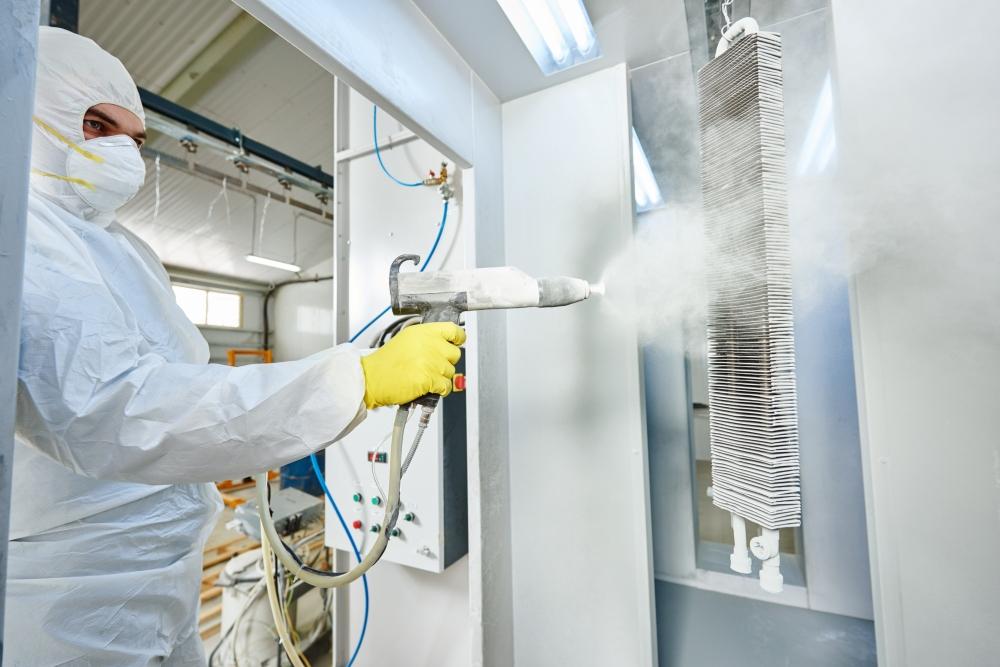
« Overview of Phosphating Processes » Phosphating refers to surface treatment processes that create specific protective layers on metal surfaces made of iron, zinc, or manganese. These layers are electrically insulating and contribute to corrosion...
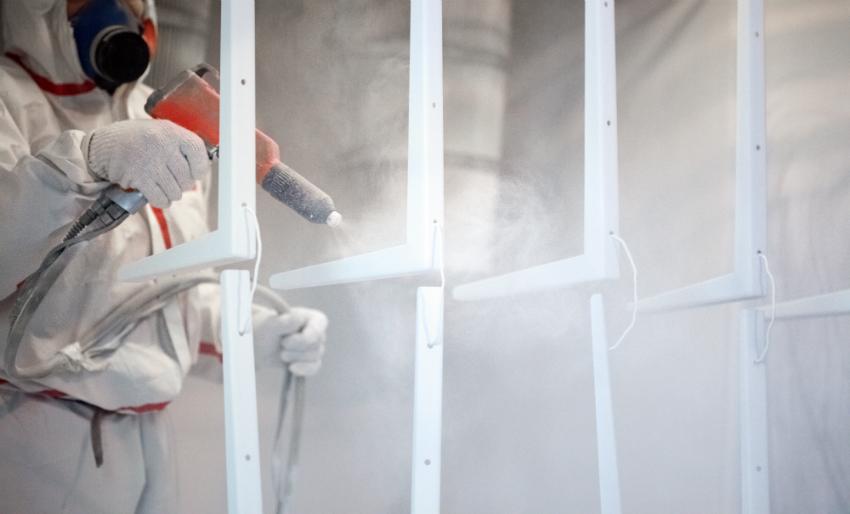
« Applications and Advantages of Each Method » Paint removal is always necessary when the coating on a surface is worn or damaged. Paint only provides protection against corrosion of metal or decay of wood when it forms a seamless, solid layer. Any...
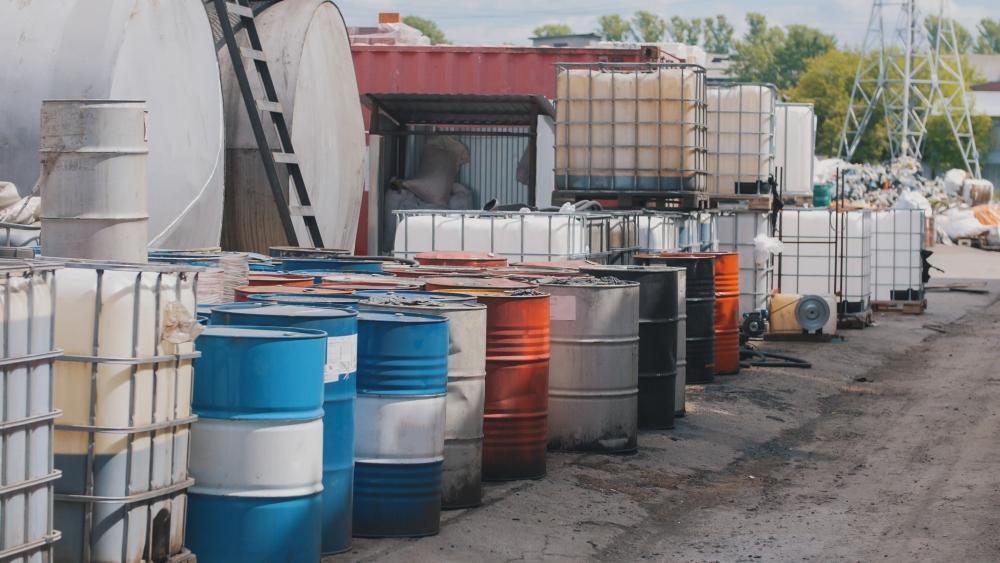
« Proper Disposal of Used Coolants » Metalworking relies heavily on the use of coolants. These cooling lubricants prevent tools from overheating and help remove debris from the work area. Even with proper maintenance, coolants eventually lose their...