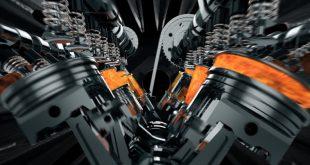
« Why Heat Resistance Is a Critical Property in Surface Technology » In many industrial facilities, the surfaces of reactors, furnaces, and chemical plants must endure high temperatures and frequent thermal cycling. Lubricants used during machining face similar demands, where …
Read more »Chemische Werke Kluthe GmbH
Discoloration on Metal and Plastic
« Effectively Preventing and Removing Surface Discoloration » Colored metallic surfaces are often desirable. For instance, steel does not have to just be shiny silver; it can be colored through sophisticated processes to almost any hue, including green, blue, red, …
Read more »Pickling and Passivation
« What does it mean? » Pickling and passivation are chemical or electrochemical surface treatment processes that deliberately modify the properties of the material’s surface layers. These methods are commonly used in the pretreatment of metal workpieces to create corrosion …
Read more »Avoiding Health Risks from Paints and Solvents
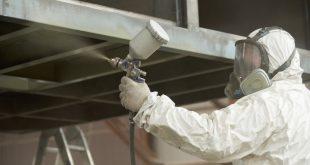
Paints and solvents often have a distinctive odor, similar to that of common adhesives. This slightly sweet smell is due to the solvent ethyl acetate. In lesser amounts, such as those used at home, there is not much of a …
Read more »Metal Paint Stripping
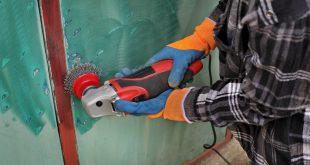
« Steel and Non-Ferrous Metals: What Paint Stripping Options are Available? » High-gloss coatings are a pleasure to behold. However, their primary purpose is to protect painted items from corrosion and mechanical damage. When the paint is worn off, it …
Read more »Effective Oil Separation
« What problems arise from insufficient oil-water separation? » Puddles shimmering with gasoline like a rainbow—what might seem intriguing can quickly become expensive. When oil and water are not properly separated, the mixture can enter the sewage system, and thereby …
Read more »Process Parameters in Surface Technology
Process parameters in surface technology are measurement variables that define the conditions influencing coating or material treatment procedures. Chemical and physical processes are triggered when an external influence disturbs the existing equilibrium. As the system seeks to re-establish balance, other …
Read more »Metalworking Fluids: Composition and Ingredients
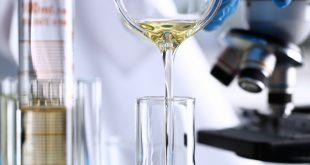
Metalworking fluids are essential for surface processing. But what composition do they have? And which ingredients are used? Learn more. Fluid Composition Fundamentals When machining speeds were limited by muscle power, heat generation played only a minor role. When machines …
Read more »Cleaning Aluminum
« Removing Stains and Discolorations From Lightweight Metal » Aluminum is a non-precious metal, meaning it reacts readily with oxidizing agents. When exposed to air, aluminum quickly forms a dense layer of aluminum oxide on its surface. This layer prevents …
Read more »Cold Forming of Metal
Cold forming is a metalworking process where materials are shaped under significant compressive or tensile forces with or without minimal preheating. This distinguishes cold forming from hot forming, with the dividing line being the recrystallization temperature. Formation of Material Microstructure …
Read more »
Kluthe Magazine