Chemische Werke Kluthe GmbH

As a specialist in surface treatment, Chemische Werke Kluthe GmbH develops and produces chemical products and innovative process solutions in the areas of Forming & Protection, Metalworking & Cleaning, Pretreatment, and Paint Shop. These business areas are our focus, allowing us to provide our customers with optimal guidance as both specialists and generalists.

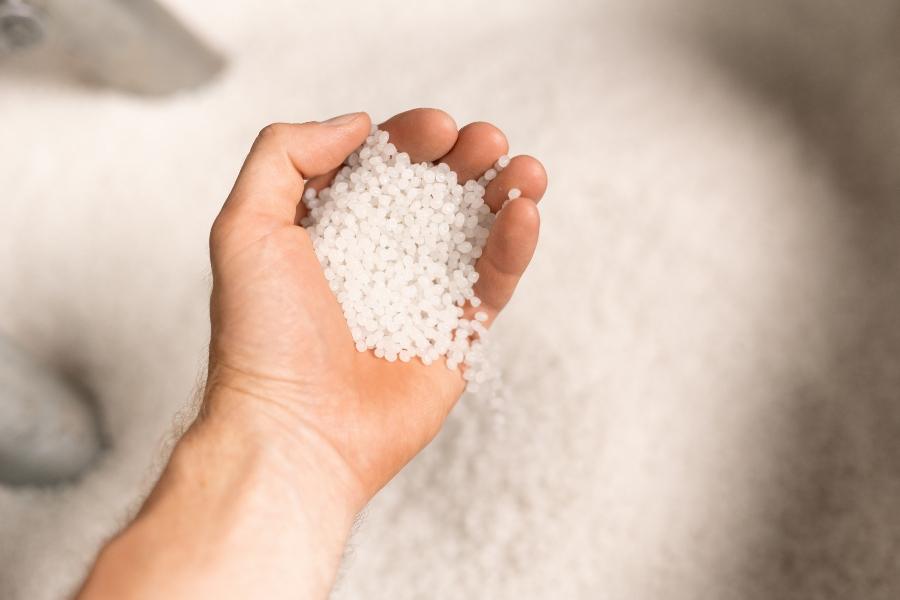
Plastic Recycling in Chemistry

« What Methods Are Used? » Plastics are widely used as packaging materials, insulators, components in various machines and devices, and as coating agents. Unfortunately, their widespread use has led to increasing environmental concerns as they are now frequently found …

Read more »

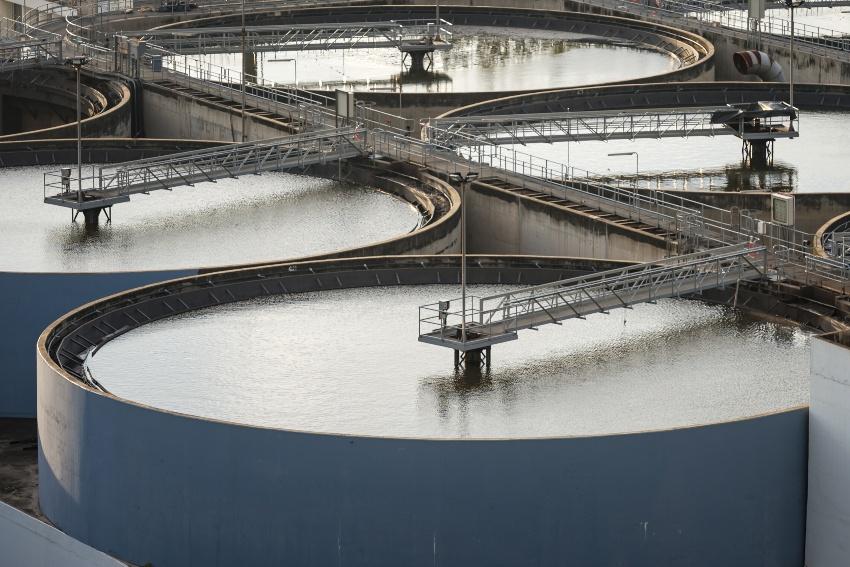
What Does Fractionation Mean in Chemistry?

« Separating Solvents and Other Applications of Fractionation Methods » In chemistry, fractionation refers to the process of separating mixtures into their individual components. This is achieved using a variety of specialized chemical separation techniques. The term “fractionation” is typically …

Read more »

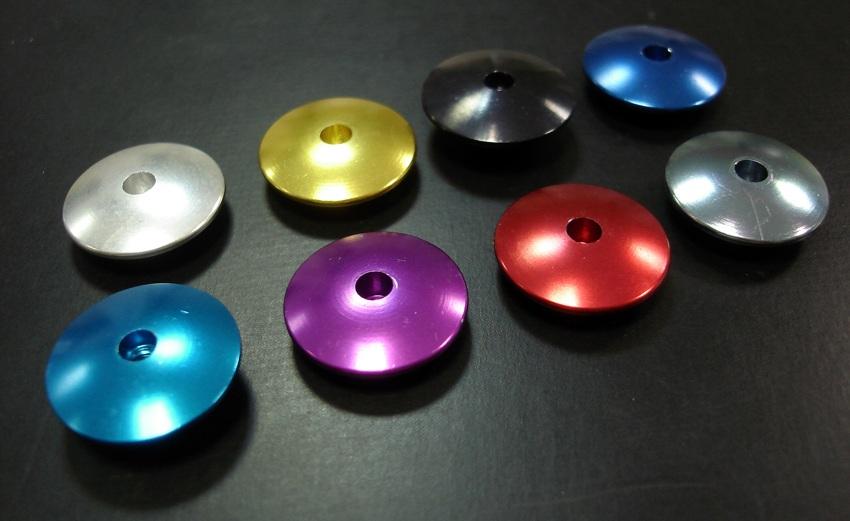
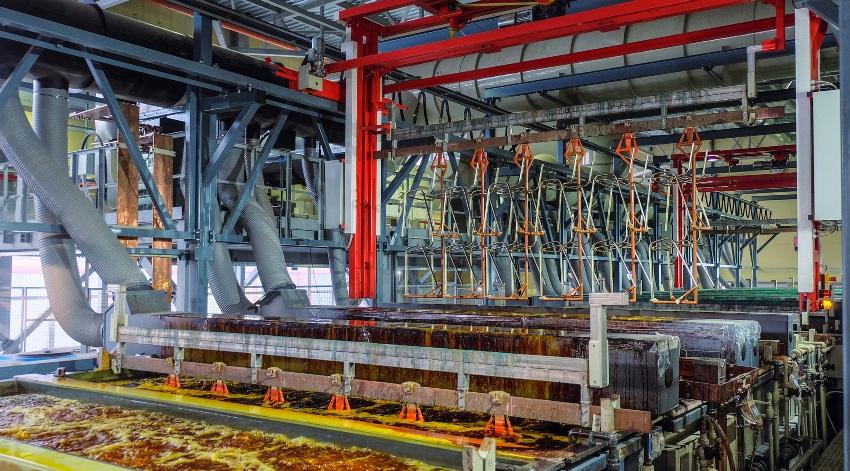
Surface Treatment by Anodizing

Anodizing is the term for electrochemical processes in surface technology that create mechanically and chemically stable oxide layers on suitable metals. The word “anodizing” corresponds to the German term *Eloxieren*, derived from the initial letters of “elektrochemisch” and “Oxid.” Here …

Read more »

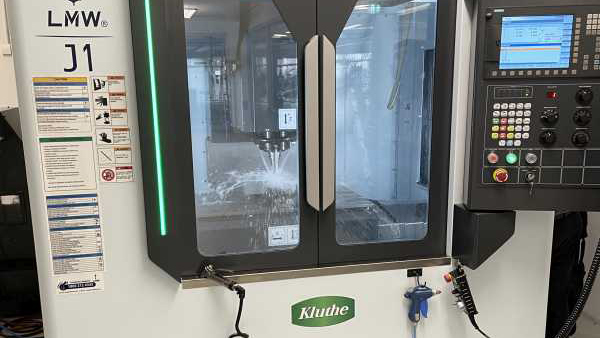
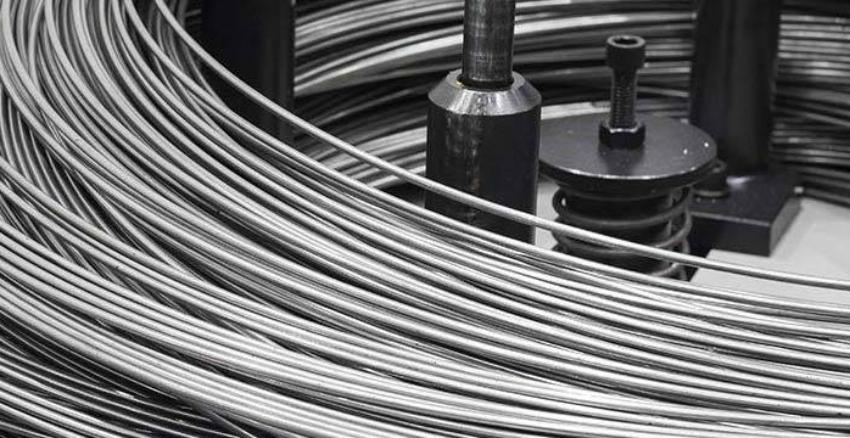
Work Hardening Explained

« Processes, Benefits, and Applications in Modern Industry » Work hardening occurs when metallic materials are deformed below their recrystallization temperature. Discover how mechanical properties of metals change during forming processes, which industries benefit from increased material strength, and  the …

Read more »

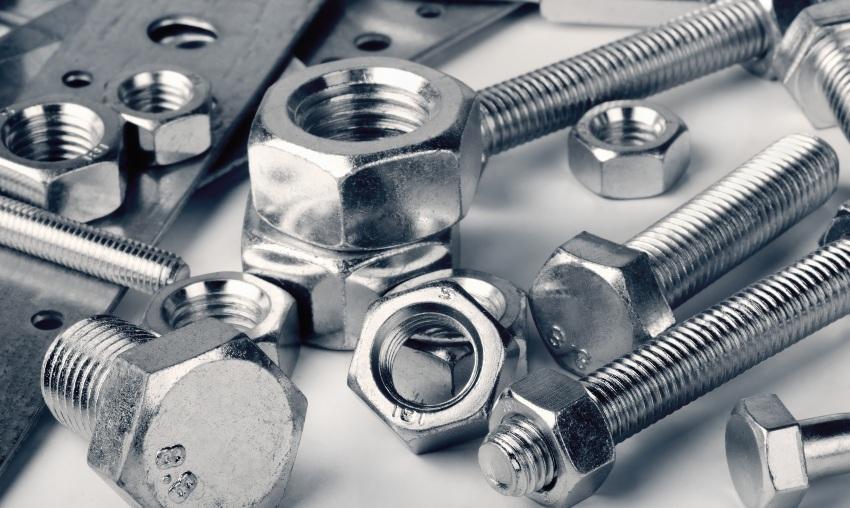
Thread Forms – Rolling, Pressing, and Cutting

Threaded connections make it possible to join and separate parts easily, even when different materials are involved. They simplify assembly and disassembly and, unlike welding, do not alter the structure of the base material. But how are they made, what …

Read more »

Electroplating and Anodizing: Key Differences

Professional surface treatment significantly increases the lifespan of components. The chosen method depends on the base material and the desired effect. Among the most essential techniques in this field are electroplating and anodizing. While both use electricity and can serve …

Read more »

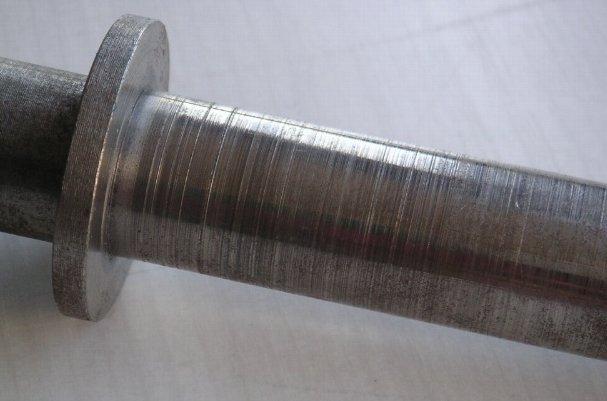
Abrasive Wear

« Abrasive Wear Causes and Countermeasures » Wear occurs whenever materials degrade through use. Abrasion is a specific form of wear that results from what is known as micro-cutting. High abrasiveness significantly reduces the service life of machine parts, places …

Read more »

Surface Treatment with Manganese Phosphate Coatings

How Does Manganese Phosphating Work? Manganese phosphating is a conversion coating process used primarily on low-alloy ferrous parts. It provides excellent corrosion resistance and reduces friction and wear in sliding or rotating applications. This guide explains how manganese phosphate conversion …

Read more »

What Does the EcoVadis Rating Indicate?

« The Sustainability Assessment System Explained » EcoVadis SAS is a Paris-based company, established in 2007, that operates globally to assess sustainability practices within companies. The outcome is the EcoVadis Sustainability Rating. This rating allows participating companies to precisely determine …

Read more »

The QUALICOAT Standard for Powder Coating

What requirements are placed on modern coating systems? QUALICOAT is the registered trademark of the Association for Quality Control in the Painting and Coating Industry, headquartered in Zurich, Switzerland. The trademark also serves as a quality label for surface pretreatment …

Read more »